
Encouraging youth participation in Aikido
World Aikido Yoga
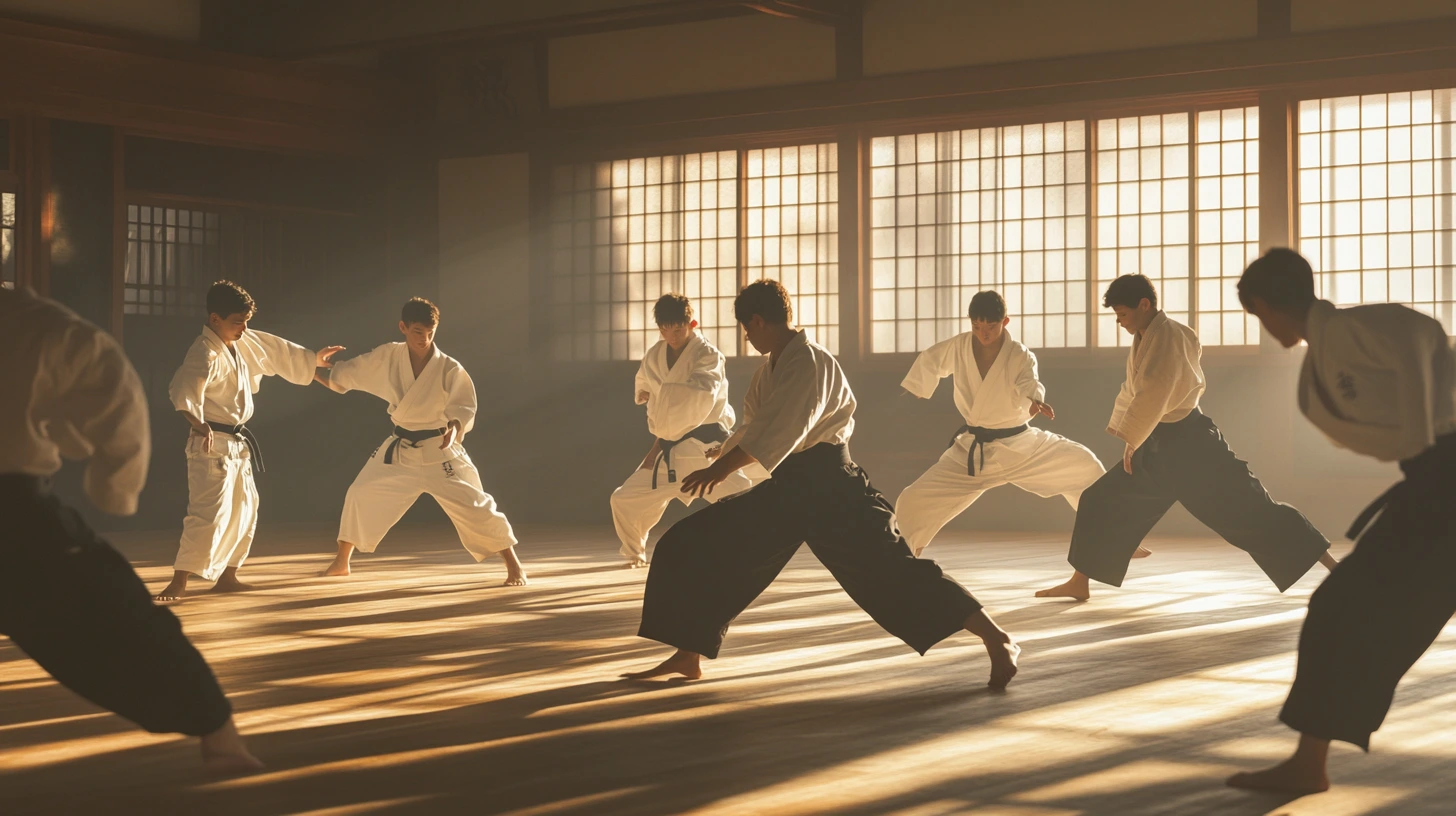
In today’s digital age, where physical activity often takes a backseat to screen time, martial arts such as Aikido offer a refreshing and beneficial alternative for young individuals. Encouraging youth participation in Aikido can lead to numerous physical, mental, and emotional benefits, enhancing their overall development and fostering lifelong skills.
Aikido: A gentle path towards self-discovery
Understanding the philosophy of Aikido
Aikido, a modern Japanese martial art, is not primarily about competition or aggression. Its core philosophy revolves around harmony, self-improvement, and peaceful resolution of conflicts. Founded by Morihei Ueshiba in the early 20th century, Aikido incorporates techniques that redirect the opponent’s energy rather than confronting it head-on. This unique approach makes it an ideal martial art for youth, as it encourages them to develop awareness, balance, and a calm mind.
Building self-discipline and respect
One of the fundamental teachings of Aikido is the cultivation of self-discipline and respect for others. Respect is embedded in every practice, from bowing to the training mat to acknowledging partners. This culture of respect helps young practitioners understand the importance of treating themselves and others with kindness and honour.
Regular practice requires adherence to routines and rituals that inherently build discipline. This discipline often extends beyond the dojo and becomes ingrained in students’ daily lives, benefiting their academic pursuits and personal relationships.
Developing physical fitness and coordination
Physical activity is paramount for children’s health, and Aikido offers a comprehensive workout. A typical Aikido session involves various movements, including rolls, falls, and evasions, which enhance cardiovascular fitness, strength, flexibility, and coordination. According to research, regular physical activity is linked to improved mood, cognitive function, and cardiovascular health, highlighting the benefits of incorporating Aikido into youths’ routines.
The mental and emotional benefits of Aikido
Enhancing concentration and focus
In Aikido, students must pay close attention to their movements and synchronise with their partners. Such practices improve concentration and mindfulness, skills that are transferable to academic tasks and other areas of life. Mindfulness, as explored in studies, is known to enhance focus and cognitive function, making Aikido an excellent activity for developing these abilities in youth.
Managing stress and promoting calmness
The practice of Aikido emphasises calmness and centredness, even in the face of simulated attacks. Learning to maintain a calm demeanour amid challenges is a skill that extends beyond the practice mat. As children and adolescents face the pressures of modern life, having coping strategies to manage stress can have significant long-term benefits for mental health.
Boosting confidence and self-esteem
By mastering various techniques and progressing through belt rankings, young Aikidokas (Aikido practitioners) experience an increase in self-confidence. Achieving new levels instils a sense of accomplishment and reinforces the idea that dedication and hard work lead to rewards. This boost in confidence often permeates other aspects of their lives, encouraging a proactive approach to goals and challenges.
Practical steps to encourage youth participation in Aikido
Creating a welcoming environment
Dojos should foster an inclusive, non-intimidating atmosphere where children feel comfortable and valued. Offering introductory classes specifically for beginners can help ease any apprehensions and spark interest in the practice.
Engaging parents and caregivers
Parents play a crucial role in encouraging their children to participate in activities like Aikido. Hosting open days, demonstration classes, or workshops can provide insights into Aikido’s philosophy and benefits. When parents understand the value and principles of the art, they are more likely to support their children’s participation.
Collaborating with schools and community groups
Building partnerships with local schools and community organisations can be an effective way to introduce Aikido to a broader audience. Workshops or after-school programmes can serve as a gentle introduction, showcasing the unique blend of physical and mental training that Aikido offers.
Integrating Yoga and Meditation with Aikido
Complementary practices for enhanced wellbeing
While Aikido focuses on harmony and balance, integrating Yoga and Meditation with martial arts provides complementary benefits. Both Yoga and Meditation are practised to enhance flexibility, strength, and mental clarity. Together with Aikido, they can cultivate a well-rounded fitness routine, promoting holistic health.
Yoga for flexibility and balance
Yoga postures, or asanas, improve flexibility and balance — attributes that are vital in Aikido. Regular yoga practice can help Aikido students to expand their range of motion, reduce the risk of injury, and improve posture. The mindfulness component of Yoga also aligns well with Aikido’s emphasis on awareness and presence.
Meditation for mental clarity
Meditation enhances focus and mental clarity, which are crucial components of effective Aikido practice. Incorporating meditation sessions can help youths become more attuned to their inner selves, improving their ability to maintain composure in various situations both on and off the mat.
Summary
Aikido offers a unique blend of physical, mental, and emotional benefits that make it an ideal practice for youth. From improving physical fitness to building self-discipline and respect, Aikido nurtures well-rounded individuals equipped to navigate life’s challenges. Integrating additional practices such as Yoga and Meditation further enriches their experience, promoting comprehensive health and wellbeing. Encouraging young people to participate in Aikido not only benefits them personally but contributes to a more peaceful and harmonious society.
Frequently asked questions
What age is best to start learning Aikido?+
Children as young as 5 or 6 years old can start learning Aikido. At this age, they have developed enough coordination and the ability to follow basic instructions necessary for practising Aikido safely.
How often should children practice Aikido?+
For beginners, practising Aikido once or twice a week is ideal. As children progress and develop a deeper interest, they may increase their training hours. However, balance with other activities and ensuring adequate rest is essential.
Is Aikido effective for self-defence?+
While Aikido is not designed for competitive fighting, it is highly effective for self-defence. It teaches techniques to blend with and redirect an opponent’s energy, enabling the practitioner to control aggressive situations without causing harm.
Can Aikido be adapted for children with disabilities?+
Yes, Aikido is a versatile martial art that can be adapted to suit various abilities. Instructors can modify techniques and teaching methods to accommodate children with physical or cognitive disabilities, ensuring an inclusive and supportive environment.
How do Aikido classes benefit children academically?+
The discipline, concentration, and self-confidence gained through Aikido often translate into improved academic performance. Children learn to focus on tasks, manage stress, and persist in the face of challenges, all of which are valuable skills for academic success.