
The role of visualisation in Aikido training
World Aikido Yoga
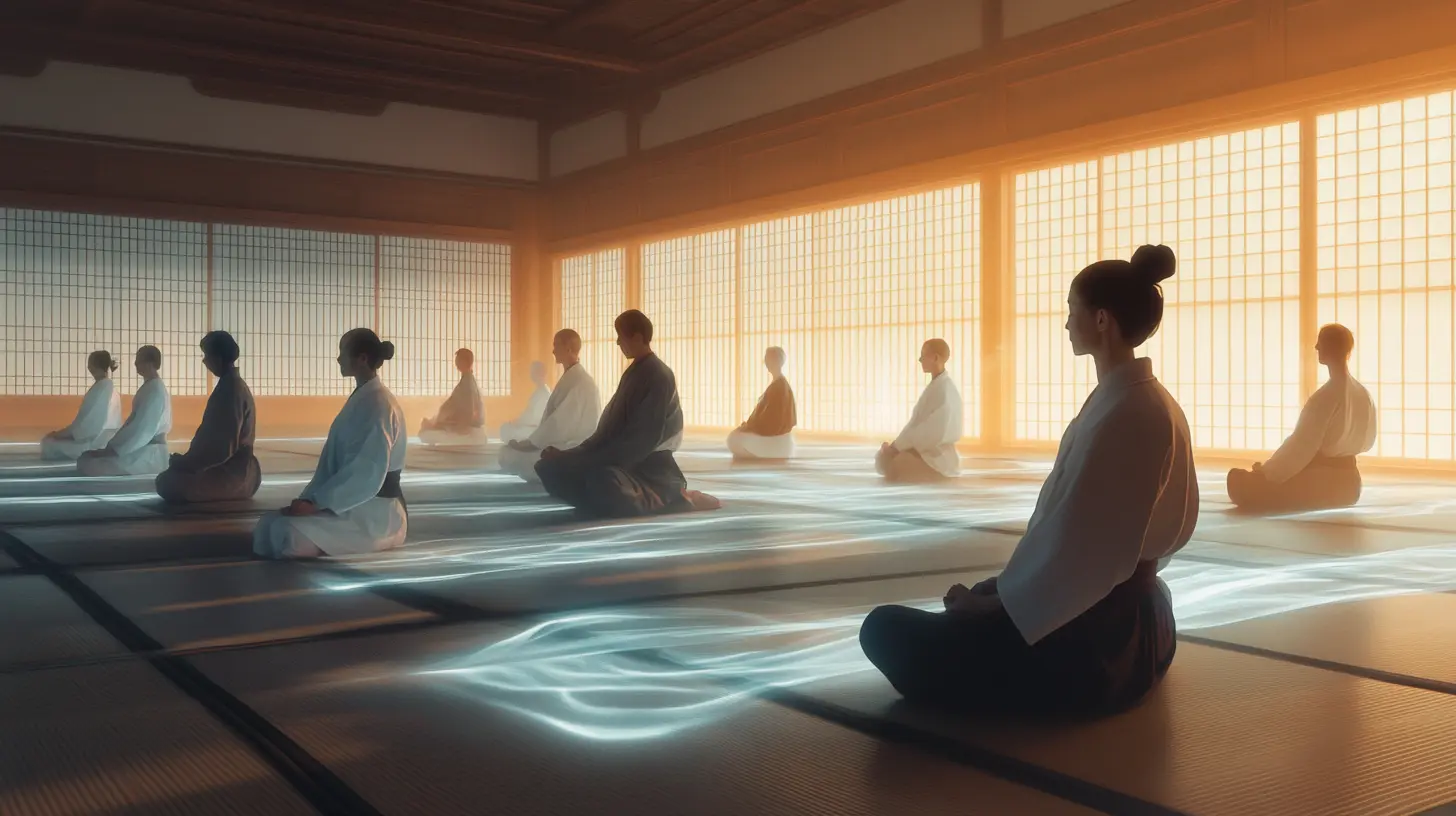
In the journey of mastering Aikido, practitioners often find themselves exploring various techniques and practices beyond the physical realm to enhance their skills and deepen their understanding of this martial art. One such powerful tool is visualisation. Visualisation is a cognitive process wherein one creates a mental image of themselves successfully performing a technique or achieving a specific outcome. In Aikido, it plays a crucial role by enhancing physical performance, boosting mental strength, and reinforcing the connection between mind and body.
The science behind visualisation in martial arts
Understanding the mind-body connection
Visualisation capitalises on the mind-body connection, acting as a bridge to bring about enhancements in physical performances without the necessity of constant physical practice. Cognitive neuroscientists have discovered approximate neural overlaps between visualising an activity and physically performing it. This overlap allows visualisation to trigger motor responses and consequently, motor learning, effectively ‘programming’ the brain for improved physical execution (Source: Scientific American).
Performance enhancement through mental imagery
The use of mental imagery in sports and martial arts has been well-documented. Research carried out by the Cleveland Clinic Foundation revealed that individuals who used visualisation techniques improved muscle strength by 13.5% without physical exercise. When Aikido practitioners incorporate visualisation, they are harnessing the same psychological tool that top athletes utilise to gain a competitive edge (Source: Cleveland Clinic).
Visualisation techniques in Aikido training
Pre-technique mental rehearsal
Aikido involves complex sequences of movements that require precision and flow. Before engaging in physical practice, practitioners can utilise pre-technique mental rehearsal to vividly imagine themselves executing a series of moves. Close your eyes and picture each step—executing a perfect irimi nage or a controlled shihonage. Among its benefits, this method creates muscle memory, enabling more fluid transitions during actual practice.
Integration with real-time practice
Though visualisation is potent, its efficacy is elevated when married with real-time practice. Practitioners are encouraged to integrate quick visualisation sessions before each technique. Pause, picture the sequence, then execute it. This method helps in embedding a structured flow into the practitioner’s muscle memory, leading to fewer errors and enhanced confidence in movement.
Reflective imagining post-practice
Post-practice visualisation involves reflecting on daily training sessions. This time is used for evaluating performance, focusing on improvements, and ingraining lessons learned. Reflective imagining aids in consolidating skills and preparing the mind for future training sessions, making the learnings more permanent.
Cognitive benefits of visualisation in Aikido
Building mental resilience
Visualisation not only improves physical abilities but also fosters mental resilience. The constant mental rehearsal aids in building determination and reducing anxiety, often associated with learning new complex techniques. Consistent practice infuses a gradual improvement in self-confidence—a crucial component when faced with high-stress situations during a bout or demonstration.
Stress reduction and relaxation
Like meditation, visualisation is adept at reducing stress, as it often incorporates relaxation techniques leading to decreased anxiety, improved mood, and overall wellbeing. This is particularly beneficial for Aikido practitioners, as a calm and focused mind contributes significantly to effective learning and execution.
Complementary practices: Yoga and meditation
Yoga’s role in visualisation and Aikido
The practice of yoga enhances body awareness and alignment, further augmenting the benefits of visualisation in Aikido. Asanas (poses) and pranayama (breathing techniques) improve concentration and relaxation, crucial for effective visualisation. Seamlessly integrating these supporting practices within training routines offers a holistic improvement in both mental agility and physical adaptability.
Enhancing focus with meditation
Meditation boosts focus and attentional control, making visualisation even more effective. By incorporating mindfulness techniques, practitioners are better equipped to create precise mental images, keeping distractions at bay. Enhanced focus leads to prolonged engagement, improving both visualisation outcomes and physical practice.
Incorporating visualisation into daily Aikido practice
Setting clear goals
For visualisation to be effective, practitioners should set clear and specific goals. Whether mastering a new throw or perfecting an existing technique, these objectives should guide your visualisation sessions, ensuring that the mental imagery is purposeful and aligned with desired outcomes.
Regular practice for sustained impact
Just like physical training, consistency is key with visualisation. Establishing a routine that incorporates both stand-alone visualisation sessions and integrated mental rehearsals ensures the consistent benefits of mental imagery in Aikido training are realised.
Summary
Visualisation is a powerful adjunctive exercise in the realm of Aikido training. With its roots anchored in cognitive science, it offers abundant benefits ranging from enhanced mental resilience to improved physical execution. Augmenting traditional practice sessions with visualisation can open up unprecedented levels of proficiency. When combined with yoga and meditation, visualisation’s impact reaches further heights, fostering a holistic approach to Aikido mastery. Embrace the power of the mind, and let your visualisation become the catalyst for your Aikido journey.
Frequently asked questions
What is visualisation in Aikido?+
Visualisation in Aikido is the practice of mentally imagining oneself executing techniques successfully to improve physical performance and mental fortitude.
Can visualisation replace physical practice in Aikido?+
While visualisation enhances practice, it cannot replace physical training. A blended approach, combining both mental imagery and physical exercise, yields the best results.
How can I start incorporating visualisation into my training?+
Begin by setting specific goals for techniques you wish to master. Use guided imagery before and after real training sessions, and integrate reflective mental rehearsals.
Are there any tools that can enhance visualisation?+
Tools such as guided meditation audio tracks, mindfulness apps, or even journaling can improve the focus and clarity of your visualisation sessions.
What are the benefits of visualisation in Aikido?+
Benefits include improved physical execution of techniques, enhanced mental resilience, reduced anxiety, and overall better control and fluidity in movements.