
The evolution of Aikido throughout the years
World Aikido Yoga
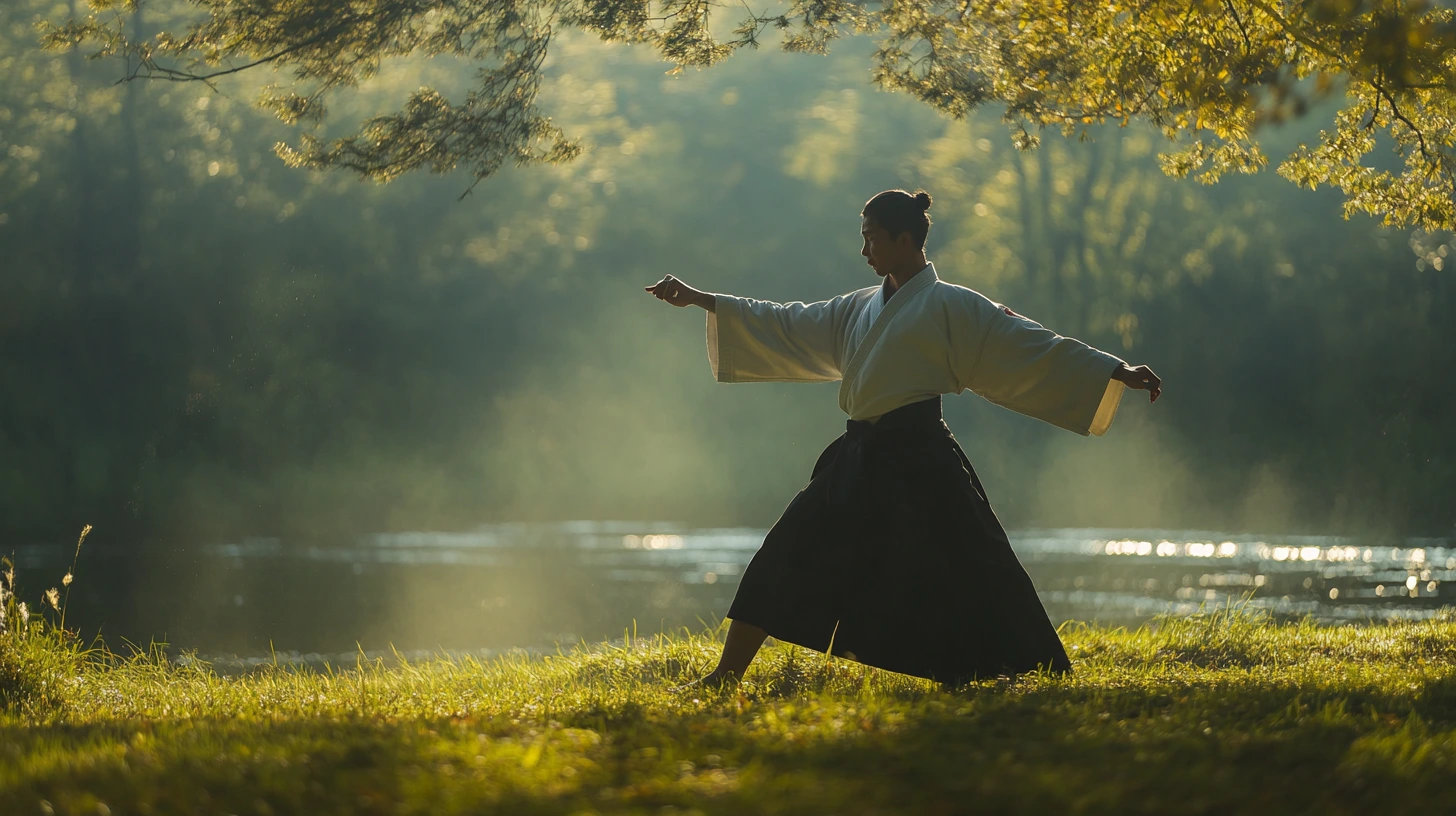
Aikido, the graceful and dynamic martial art known for its philosophy of harmony and self-defence, has a rich history of evolution. While modern practitioners appreciate its effectiveness for physical fitness, mental well-being, and self-defence, the journey of Aikido from its roots to the contemporary practice is an intriguing tale. This transformation encapsulates cultural shifts, adaptations to modern lifestyles, and a continual adherence to its foundational principles.
The birth of Aikido
Origins in feudal Japan
Aikido’s roots can be traced back to feudal Japan, where the samurai martial traditions emphasised discipline, respect, and combat proficiency. Aikido’s founder, Morihei Ueshiba, was deeply influenced by various martial arts, particularly Daito-ryu Aiki-jujutsu. These styles focused on unbalancing opponents and employing joint locks, which Ueshiba later refined into the techniques recognised in Aikido today.
Foundation by Morihei Ueshiba
Morihei Ueshiba established Aikido in the early 20th century, amidst the socio-political transformation in Japan. He endeavoured to develop a martial art that harmonised physical confrontation with philosophical growth. During the 1920s and 1930s, Ueshiba refined his techniques by integrating spiritual and philosophical teachings, leading to the establishment of Aikido as a distinct art. source
Aikido’s transformation and global reach
Post-war expansion
After World War II, Aikido evolved significantly. Ueshiba’s vision shifted towards a non-violent philosophy, promoting peace and harmony. This period marked Aikido’s expansion beyond Japan, as former students established dojos globally, spreading its teachings via international seminars and demonstrations.
Adaptation and recognition
During its global spread, Aikido adapted to diverse cultural contexts. Its adaptability facilitated its integration into various societies, where it was appreciated for its non-aggressive nature. At this time, many organisations and styles emerged, each interpreting Aikido’s principles in unique ways, leading to its broader recognition.
Techniques and principles in modern Aikido
The essence of Aikido techniques
Aikido techniques primarily involve redirection of an opponent’s energy, utilising throws and joint locks. This aspect exemplifies the art’s philosophy of harmony over confrontation. Techniques are designed to neutralise aggression without causing harm, making Aikido distinct from more combative martial arts.
Philosophical principles
Aikido is heavily influenced by Ueshiba’s philosophical teachings, which emphasise a harmonious relationship between body and spirit. Core principles such as ki (energy flow), balance, and centre are essential in Aikido practice, guiding practitioners in executing techniques effectively. These principles transcend martial applications, influencing personal growth and interpersonal relationships.
Aikido’s relationship with health and wellness
Physical health benefits
Practising Aikido contributes to physical health by enhancing cardiovascular fitness, flexibility, and coordination. A study published in the Journal of Sports Medicine and Physical Fitness highlights how martial arts, including Aikido, can improve physical conditioning and reduce the risk of chronic diseases.
Mental and emotional wellness
Alongside physical benefits, Aikido promotes mental peace and emotional resilience. Regular practice encourages mindfulness, stress reduction, and emotional balance—valuable attributes in today’s fast-paced world. The emphasis on grounding and centring helps practitioners manage stress effectively, fostering mental clarity.
Aikido, yoga, and meditation: A harmonious triad
Interconnected practices
Aikido, yoga, and meditation are intrinsically linked through their shared emphasis on mindfulness, self-discovery, and inner peace. Incorporating these practises creates a balanced routine that enhances both physical and mental well-being.
Synergistic benefits
Yoga and meditation complement Aikido by increasing flexibility, concentration, and spiritual awareness. Many Aikido practitioners find that yoga enhances their ability to easily perform techniques, while meditation deepens their understanding of Aikido’s philosophical aspects.
Challenges and future directions for Aikido
Current challenges
Aikido faces challenges such as declining interest among younger generations who may favour more competitive martial arts. Another issue is the misconception that Aikido is less effective in self-defence due to its non-aggressive nature, despite its strategic depth.
The path forward
To attract new generations, many Aikido practitioners are focusing on modernising teaching methods, incorporating technology, and emphasising the holistic benefits of practice. By aligning with contemporary values of health, fitness, and personal development, Aikido continues to evolve while staying true to its roots.
Summary
Aikido’s evolution reflects its adaptability and continued relevance in the modern world as it embraces a spectrum of cultures and philosophies. From its historical roots in Japan to its global propagation, the martial art has maintained its core philosophy of harmony and self-improvement. By integrating practices like yoga and meditation and focusing on holistic benefits, Aikido remains a valuable tool for health, wellness, and self-defence for practitioners across the world.
Frequently asked questions
What is Aikido's main objective?+
Aikido's main objective is to teach self-defence while promoting harmony and non-aggression. It encourages practitioners to neutralise aggression peacefully.
Is Aikido effective for self-defence?+
Yes, Aikido is effective for self-defence. It focuses on using an opponent's energy against them, allowing defenders to neutralise threats with minimal force.
How is Aikido different from other martial arts?+
Unlike many martial arts, Aikido emphasises harmony and the non-aggressive resolution of conflict. It is unique in its focus on blending with an opponent rather than meeting force with force.
Can anyone practice Aikido?+
Yes, Aikido is accessible to people of all ages and fitness levels. Its techniques and principles can be adapted for individual needs, making it inclusive.
How are yoga and meditation beneficial to Aikido?+
Yoga enhances flexibility and balance, helping in executing Aikido techniques. Meditation improves focus and mental clarity, which are essential for Aikido practice.