
Stress Reduction Mindfulness: Science-Based Techniques for Mental Well-being
World Aikido Yoga
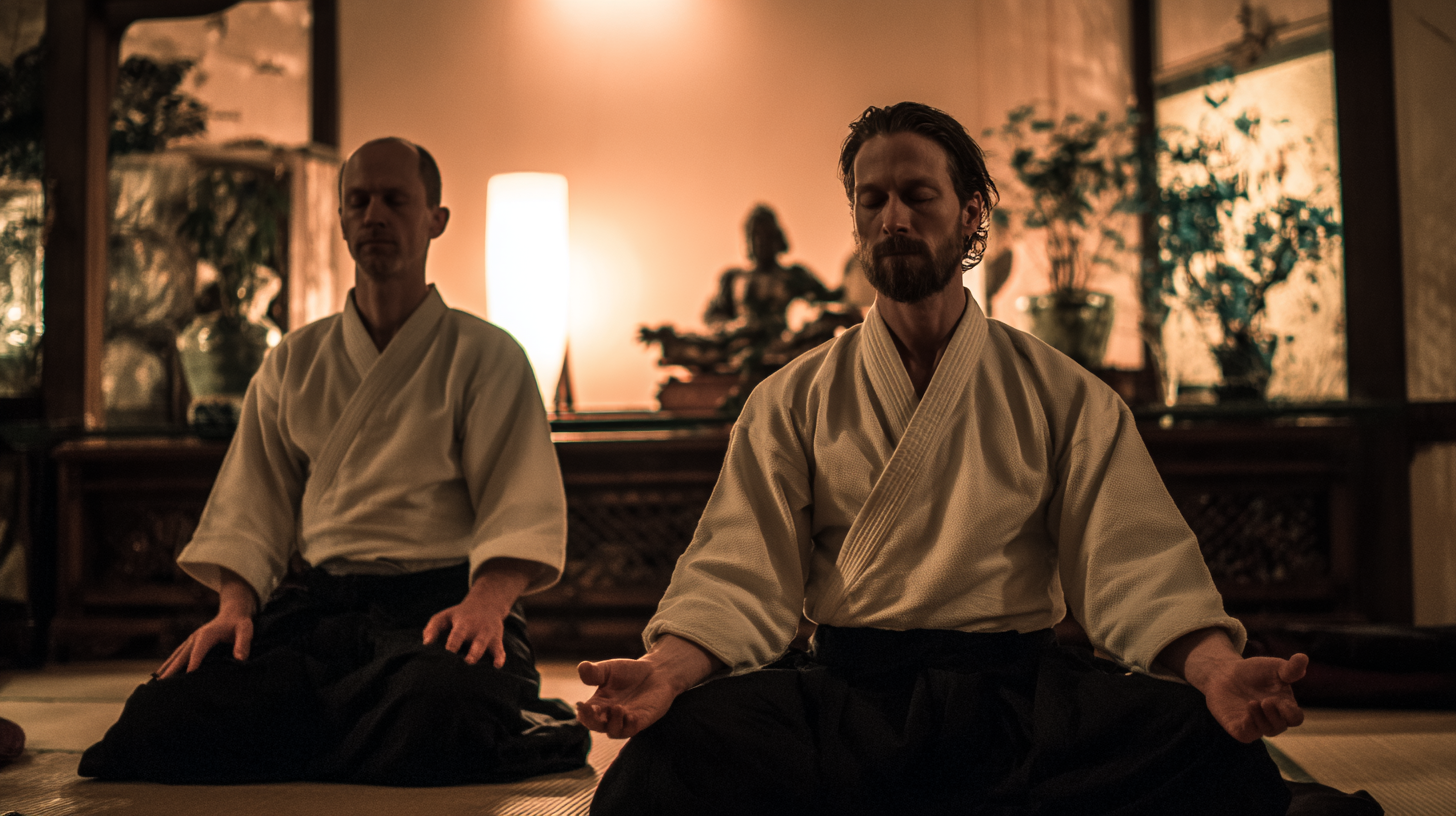
With 66% of Western workers experiencing stress-related sleep problems, the search for effective stress management has never been more urgent. Stress reduction mindfulness offers a scientifically-proven pathway to transform your relationship with stress, backed by decades of clinical research and neuroimaging studies.
While mindfulness-based stress reduction (MBSR) is a well-known evidence-based program developed by Jon Kabat-Zinn in 1979 at Massachusetts Medical School, there is growing recognition of the powerful role that martial arts, especially Aikido, play in cultivating mindfulness and enhancing stress management. These movement-based practices integrate breath control, focused attention, and present moment awareness to foster mental resilience and physical well-being.
This comprehensive guide explores the science behind stress reduction mindfulness, practical techniques you can implement today, and how integrating mindful martial arts like Aikido can deepen your stress management toolkit.
Key Takeaways
- Stress reduction mindfulness can be cultivated through both traditional meditation practices and mindful martial arts such as Aikido
- Regular mindfulness practice activates the parasympathetic nervous system, lowering cortisol levels, blood pressure, and heart rate
- Mindful martial arts emphasise breath control, body awareness, and fluid movement, promoting relaxation and emotional regulation
- Simple breathing exercises like the “stress breath” can immediately shift your nervous system from fight-or-flight to relaxation mode
- Studies demonstrate mindfulness reduces chronic inflammation, which is linked to heart disease, diabetes, and cancer
- Integrating mindful movement practices like Aikido fosters harmony between mind and body, enhancing stress resilience and overall well-being
Understanding Stress and Its Impact on Health
Chronic stress triggers the fight-or-flight response, flooding the body with stress hormones like cortisol that were designed for short-term survival, not the persistent pressures of modern life. When your stress response remains activated for extended periods, it creates a cascade of physiological changes that compromise both mental and physical health.
Prolonged stress exposure leads to elevated blood pressure, increased heart rate, and disrupted blood sugar levels. The brain itself undergoes structural changes, with chronic stress affecting key regions including the amygdala (emotional processing), hippocampus (memory formation), and prefrontal cortex (executive function and self-regulation).
Long-term stress contributes to serious conditions including insomnia, obesity, heart disease, and major depression. Chronic inflammation from stress becomes the root cause of many lifestyle-related diseases, creating a biological environment where chronic disease can flourish.
How Mindfulness and Martial Arts Change Your Stress Response
Present moment awareness fundamentally alters how your nervous system responds to stressors. Beyond traditional mindfulness meditation, martial arts like Aikido embody mindfulness through movement, breath, and intention. Practicing Aikido cultivates a deep connection to the body and breath, teaching practitioners to respond to stress with fluidity and calm rather than resistance.
Regular engagement in mindful martial arts increases your perceived ability to handle stressful situations effectively by building “stress resilience”—the capacity to maintain equilibrium in the face of challenges. This holistic approach integrates mental focus, emotional regulation, and physical conditioning, enhancing overall well being.
Neuroimaging studies reveal that mindfulness practices, whether seated meditation or mindful movement, increase grey matter density in brain areas associated with learning, memory, and emotional regulation, while reducing activity in the amygdala, the brain’s alarm system.
Evidence-Based Breathing Techniques for Immediate Relief
Intentional breathing represents one of the most accessible and immediate tools for stress reduction. Deep breathing exercises activate the parasympathetic nervous system, promoting relaxation and recovery by lowering heart rate, blood pressure, and respiration rates within minutes.
The “stress breath” technique involves audible exhaling with a “haaaaa” sound to stimulate the vagus nerve—a key component of the parasympathetic nervous system. This simple practice can shift your nervous system from sympathetic dominance (stress mode) to parasympathetic activation (rest and digest mode) almost immediately.
Research suggests that practising 12 conscious breaths before transitioning between work and home helps separate professional stress from personal life, creating clearer boundaries and improved mental health.
Step-by-Step Stress Breath Practice
This evidence-based technique can be practised anywhere, anytime you feel overwhelmed:
- Fog the mirror: Exhale audibly through the mouth, creating vibrations in your throat as if fogging a mirror
- Make it audible: Close your mouth and exhale through your nose while maintaining the throat sound (like ocean waves)
- Hold and lock: Inhale deeply, hold your breath, lower chin to chest for 5 seconds, then exhale slowly
- Repeat: Continue this sequence 3-5 times whenever you feel anxious or overwhelmed
This practice stimulates the vagus nerve and can produce measurable changes in heart rate variability within minutes, demonstrating the immediate positive effect of conscious breathing on physical health.
Mindful Movement and Aikido: A Dynamic Path to Stress Reduction
Aikido, a Japanese martial art, founded by Morihei Ueshiba, emphasizes harmony, flow, and blending with an opponent’s energy rather than conflict. This philosophy aligns closely with mindfulness practice principles of present moment awareness, non-resistance, and acceptance.
Practicing Aikido cultivates mindfulness through its focus on breath control, precise attention to bodily movement, and mental presence required to respond fluidly to partners. The deliberate, meditative pace and controlled breathing in Aikido mirror meditation techniques central to stress reduction mindfulness, reinforcing parasympathetic activation and stress reduction.
Beyond physical health benefits, Aikido’s ethical and spiritual teachings encourage emotional regulation, compassion, and peaceful resolution of conflict, enhancing management of psychological symptoms. Several studies on martial arts suggest improvements in mindfulness, emotional control, and stress resilience among practitioners.
Integrating Aikido training with formal mindfulness practices can deepen self-awareness, improve stress coping skills, and foster holistic mind-body balance. Like other mindful movement arts such as tai chi, Aikido offers a unique stress reduction strategy that combines movement, breath, awareness, and philosophy.
The practice teaches practitioners to remain centered and calm under pressure—skills directly transferable to managing workplace stress and interpersonal conflicts. The emphasis on blending rather than opposing force mirrors mindfulness approaches to working with difficult emotions and challenging situations.
Daily Mindfulness Strategies for Stress Management
Integrating mindfulness exercises into everyday life doesn’t require lengthy meditation retreats or expensive equipment. Simple strategies can significantly improve your ability to manage stress and enhance physical well being throughout the day.
Take mindful walks to increase physical activity while balancing mental energy. Even a 10-minute walk performed with attention to each step, breath, and surrounding environment can reset your nervous system and improve afternoon focus.
Eat lunch away from your desk to refresh your mind and create healthy boundaries between work stress and nourishment. Practice mindfulness during meals by paying attention to flavours, textures, and the act of chewing.
Use progressive muscle relaxation to release physical tension throughout the day. This involves systematically tensing and releasing different muscle groups, helping identify areas where stress accumulates in your body.
Bedtime Stress Reduction Techniques
Establish a 20-minute wind-down routine incorporating guided meditations focused on body scan techniques. Guided meditation resources help maintain attention while transitioning from daily stressors to restorative sleep.
Listen to instrumental music or nature sounds to activate the relaxation response. Research in psychosomatic medicine demonstrates that specific frequencies can influence brainwave patterns, promoting deeper rest.
Practice gentle forward bends and child’s pose to release physical tension. These mindfulness based interventions combine body awareness with gentle movement, preparing both mind and body for sleep.
Use deep, slow breathing to influence heart rate and blood pressure positively. The 4-7-8 breathing pattern (inhale for 4, hold for 7, exhale for 8) specifically targets the parasympathetic nervous system.
Scientific Research on Mindfulness, Martial Arts, and Stress
Meta analysis of clinical studies shows consistent patient improvement after mindfulness-based interventions across diverse populations and conditions. Randomised controlled trials demonstrate decreased cortisol levels after regular mindfulness and mindful movement practice, with benefits maintained over time.
Studies at Massachusetts Medical School prove mindfulness builds measurable inner strength, with neuroimaging revealing increased grey matter density in the hippocampus and prefrontal cortex. These brain changes correlate with improved stress resilience and emotional regulation.
Clinical psychology review articles highlight mindfulness and mindful martial arts benefits for cancer patients, veterans, healthcare workers, and students. The practices show particular efficacy for individuals with high blood pressure, diabetes, and cardiovascular disease—conditions often exacerbated by chronic stress.
A pilot study published in psychosomatic research journals found that mindfulness based therapy significantly reduced psychological distress in healthcare workers during high-stress periods, demonstrating real-world applications for stress-intensive professions.
Conditions Successfully Treated with Mindfulness and Martial Arts
Chronic pain conditions including fibromyalgia and arthritis show marked improvement with regular mindfulness training and mindful movement. Patients report decreased pain intensity and improved quality of life, with benefits attributed to changed pain perception rather than elimination of underlying conditions.
Anxiety disorders, depression, and PTSD symptoms respond well to combined approaches that include mindful martial arts and mindfulness based cognitive therapy (MBCT), which integrates mindfulness with cognitive-behavioural techniques. Clinical psychology research demonstrates reduced relapse rates for major depression when these therapies are used.
High blood pressure, diabetes, and cardiovascular disease benefit from mindfulness and mindful movement practices that reduce stress-induced inflammation and improve autonomic nervous system balance. Complementary therapies research supports these approaches as effective adjunct treatments.
Cancer-related fatigue, anxiety, and sleep disturbance improve with mindfulness based interventions and gentle mindful movement. Breast cancer survivors particularly benefit, showing reduced psychological symptoms and improved immune function markers.
Even skin disorders like psoriasis and eczema, often exacerbated by stress, show improvement with regular mindfulness and mindful movement practice, highlighting the interconnected nature of mental and physical health.
Getting Started with Mindfulness and Mindful Martial Arts
Begin with 5-10 minutes of daily mindful breathing or body awareness exercises, gradually increasing duration as concentration improves. Consistency matters more than length—daily 10-minute sessions produce better outcomes than sporadic longer practices.
Explore local Aikido dojos or mindful martial arts classes to experience the integration of movement, breath, and mindfulness. These practices offer dynamic ways to cultivate present moment awareness while enhancing physical fitness and emotional balance.
Use free guided meditations from reputable sources or consider online mindfulness courses to build a foundational practice. Combining seated meditation with mindful movement creates a balanced approach to stress reduction.
Practice mindfulness consistently for 6-8 weeks to experience measurable benefits. Most people notice initial improvements in stress levels within 2-3 weeks, with significant changes in stress resilience appearing after sustained practice.
Summary
The journey to stress reduction mindfulness can take many forms—from seated meditation to the flowing movements of Aikido. Whichever path you choose, the evidence-based techniques outlined in this guide offer practical, accessible ways to transform your relationship with stress and enhance your overall quality of life.
Start today with just a few conscious breaths or a simple mindful movement practice, and discover how ancient wisdom and modern science converge to support your mental and physical health.
Frequently asked questions
How long does it take to see results from mindfulness and mindful martial arts practice?+
Most people notice initial health benefits within 2-3 weeks of daily practice, with significant improvements after consistent engagement for 6-8 weeks. Research suggests that even short-term practice produces measurable changes in stress levels and well being.
Can mindfulness and mindful martial arts replace medication for stress and anxiety?+
These practices are complementary and should not replace prescribed medications without consulting your healthcare provider. However, many find that consistent practice reduces their reliance on stress-management medications over time.
Is mindfulness and mindful martial arts suitable for people with no meditation or martial arts experience?+
Yes, these practices are designed to be accessible for beginners. Starting with simple breathing exercises or introductory martial arts classes can build foundational skills gradually.
What's the difference between mindfulness meditation and mindful martial arts?+
Mindfulness meditation is a formal practice of cultivating present moment awareness, often seated and quiet. Mindful martial arts integrate this awareness into physical movement, breath control, and interaction with others, offering a dynamic path to stress relief and mental clarity.