
Developing self-discipline with Aikido
World Aikido Yoga
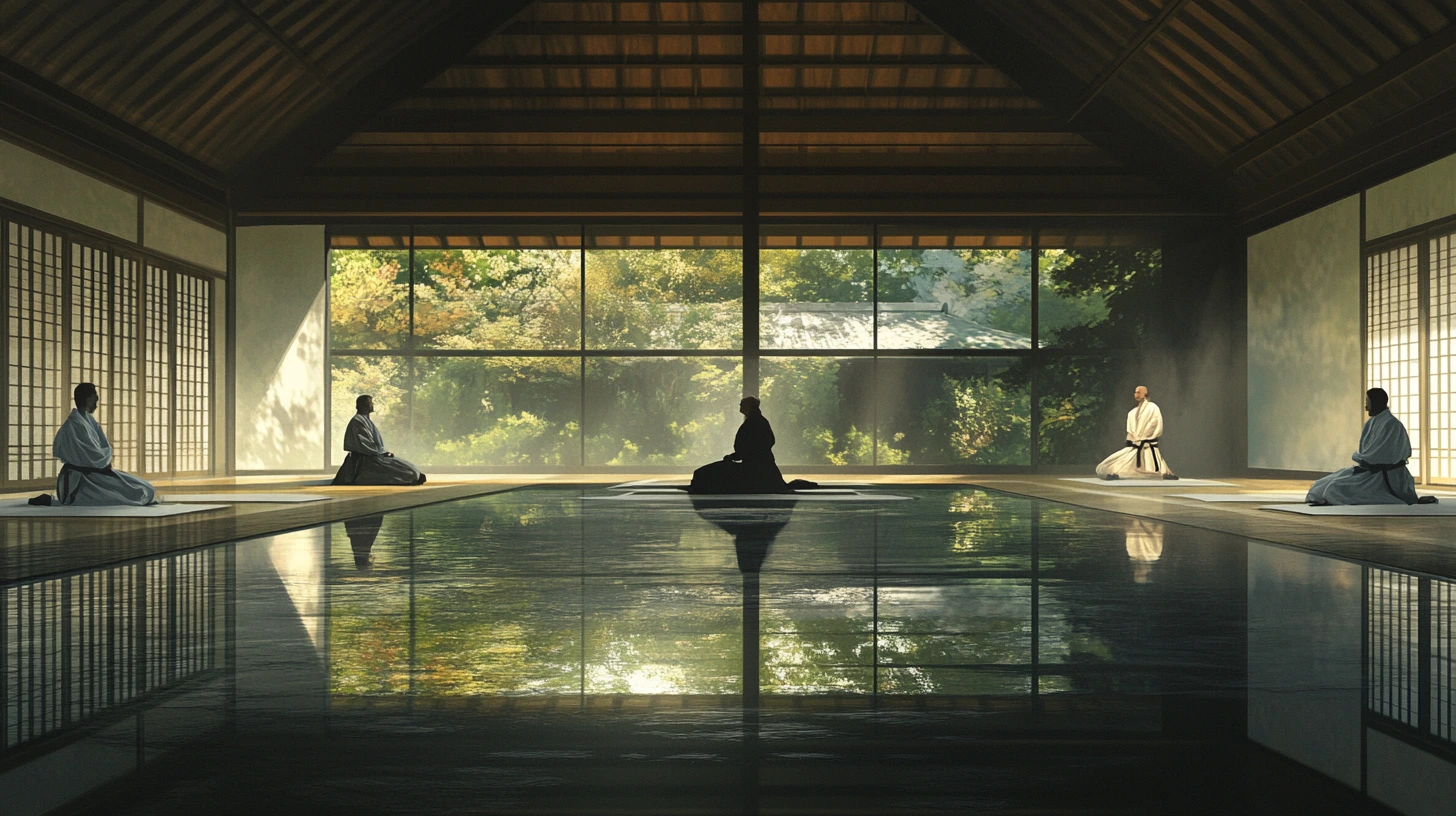
In the world of martial arts, Aikido stands out not only for its graceful, flowing techniques but also for the profound self-discipline it fosters in its practitioners. This Japanese martial art is characterized by its philosophy of harmony and non-resistance, which translates into more than just physical prowess; it nurtures a deep sense of self-control, focus, and discipline. In this article, we delve into how Aikido can be a powerful tool for developing self-discipline and the numerous benefits that arise from this practice.
Understanding Aikido
What is Aikido?
Aikido, which translates to “the way of harmony with the spirit,” was founded by Morihei Ueshiba in the early 20th century. It combines elements of jujitsu and sword fighting, focusing on neutralizing attacks by blending with the motion of the attacker and redirecting the force rather than opposing it directly. This technique-centric martial art emphasizes defence rather than offence and aims to protect both the attacker and the defender from harm.
The philosophical core
At its core, Aikido is not just about self-defence; it is a philosophical pursuit of peace and harmony. This approach instills an understanding that true strength lies in calmness, and self-discipline is fundamental in achieving this state. By practicing Aikido, practitioners learn to maintain composure under pressure, thus extending this inner peace to other areas of life.
The role of self-discipline in Aikido
Training regime and routine
Aikido training requires a consistent commitment to practice and improvement. Regular attendance and participation in classes instil a routine, an essential component of self-discipline. This discipline in attending classes and committing to continuous improvement is mirrored in everyday life, promoting a structured and committed approach to other responsibilities.
Persistence and resilience
Through repetitive, rigorous practice of techniques, practitioners learn to persist even when progress seems slow. This resilience is a hallmark of self-discipline, encouraging personal growth and development beyond the dojo. In Aikido, success is built through sustained effort and perseverance, teaching valuable lessons about overcoming obstacles in various aspects of life.
Mind-body coordination
Aikido’s emphasis on harmonious movement necessitates a deep connection between the mind and body. It requires practitioners to develop heightened proprioceptive awareness and mental focus. This mind-body coordination is critical in fostering self-discipline as it demands mental control, clarity, and precision in execution.
Cognitive benefits
Research has demonstrated the cognitive benefits achieved through martial arts practice. Studies suggest improvements in attention, memory, and executive functions in individuals who engage in regular martial arts training (Diamond, 2015). This could be attributed to the mental exercises inherent in learning complex movements and strategies, thereby aligning with the development of self-discipline.
Reference: Diamond, A. (2015). Effects of Physical Exercise on Executive Functions: Going beyond Simply Moving to Moving with Thought. Ann. Rev. Psychol., 59, 413-444. Link to Study
Technological mediation and progress tracking
Benefits of feedback mechanisms
In Aikido, feedback from instructors is invaluable in correcting techniques and refining movements. This feedback loop facilitates a reflective practice that heightens self-awareness and discipline in response to constructive criticism. Learning to accept and act on feedback is a critical aspect of personal and professional development, deeply intertwined with self-discipline.
Quantitative and qualitative tracking
Progress in martial arts can also be quantified through various metrics such as belt progressions and qualitative assessments in technique proficiency. In Aikido practice, recognisable benchmarks provide tangible evidence of improvement, encouraging further disciplined effort to reach the next level.
Emotional resilience fostered by Aikido
Managing stress and adversity
Aikido practice helps individuals handle stress more effectively. By simulating controlled balance and interaction, Aikido teaches adaptability and the importance of maintaining mental equilibrium during adversity. Scientific studies indicate regular mindfulness and meditative exercises—key elements of martial arts—contribute to enhanced emotional regulation and resilience (Tang, Yang, Leve, & Harold, 2012).
Reference: Tang, Y. Y., Yang, L., Leve, L., & Harold, G. T. (2012). Improving Executive Function and its Neurobiological Mechanisms through a Mindfulness-Based Intervention: Advances within the Field of Developmental Neuroscience and Mental Health. Child Development Perspectives, 6(4), 361-366. Link to Study
Building empathy and compassion
Aikido uniquely teaches empathy by emphasising compassionate self-defence—it is as much about protecting others as it is protecting oneself. This principle is reflected in the development of emotional intelligence and fostering of interpersonal understandings, such as empathy and compassion. These attributes are hallmarks of disciplined, self-aware individuals who can manage their emotions and relationships effectively.
Summary
Aikido is much more than a martial art focused on self-defence; it’s a disciplined lifestyle and philosophy that can significantly enrich your life. By cultivating a keen sense of self-discipline through regular practice, individuals can experience profound benefits spanning physical, cognitive, and emotional arenas. Whether you’re seeking an engaging path to personal growth or a supportive practice towards achieving inner harmony, Aikido offers a holistic approach that continues to inspire and embrace practitioners worldwide.
Frequently asked questions
**1. How does Aikido training translate into everyday self-discipline?**+
Aikido encourages routines, mental focus, and resilience—all of which are transferable skills applicable to personal and professional life. By maintaining regular practice, practitioners learn to diligently adhere to goals and responsibilities beyond the dojo.
**2. Can anyone learn Aikido?**+
Yes, Aikido is accessible to people of all ages and fitness levels.Though certain techniques require practice, the core philosophy and movement principles can be tailored and adapted accordingly.
**3. Is Aikido effective for stress management?**+
Yes, Aikido is effective for stress management due to its emphasis on mindfulness, stable breathing, and meditative practices. Practitioners often find they react to life’s stressors with more equanimity and composure.
**4. Do I need prior martial arts experience to start Aikido?**+
No, prior martial arts experience is not necessary. Aikido welcomes beginners and provides foundational training to introduce the basic concepts and techniques.
**5. How long does it take to learn Aikido?**+
The journey in Aikido is personal and varies for each individual. Mastery is a long-term pursuit, but practitioners typically notice improvements in their skills and mindset within a few months of dedicated practice.