
The meditative aspects of Aikido movements
World Aikido Yoga
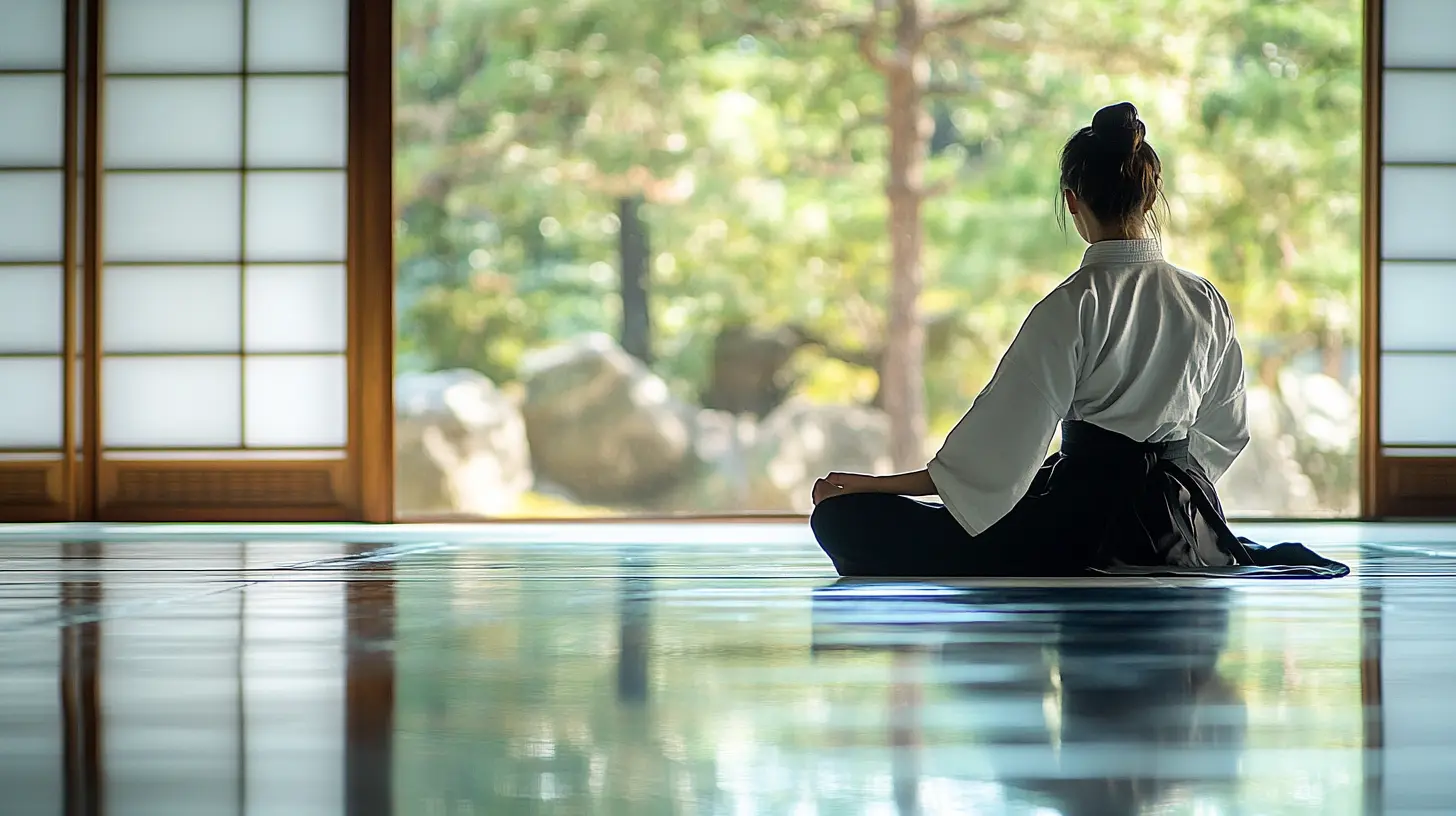
In today’s fast-paced world, many individuals are seeking activities that blend physical activity with mental and emotional wellness. Aikido, an art form that beautifully integrates the physical, mental, and spiritual, offers a compelling answer. Delve into the meditative aspects of Aikido movements, and discover how they can enhance personal well-being.
The essence of Aikido
An introduction to Aikido
Aikido, which translates to “the way of harmonising energy,” is a modern Japanese martial art founded by Morihei Ueshiba in the early 20th century. It emphasises harmony, peace, and self-awareness, creating a holistic approach to martial arts. Unlike other martial arts that focus on defeating the opponent, Aikido practitioners aim to neutralise aggression through blending with and redirecting forces.
The philosophy behind Aikido
Underpinning Aikido’s physical movements is a profound philosophy grounded in non-violence, compassion, and a deep understanding of the self. Aikido practitioners believe that when one is in harmony with the universe, they can achieve a higher state of being. This philosophy extends to real-life scenarios, stressing that true strength lies in controlling one’s emotions and responses rather than overpowering others.
Aikido movements as meditation
Focus and presence through movement
Each Aikido movement demands immense focus and presence, akin to forms of meditation. Whether practising a simple Ki breathing method or intricate techniques like Tenkan (turning) and Irimi (entering), practitioners must centre their attention on breath and body alignment. This concentrated awareness is essential for quieting the mind and fostering a meditative state.
Mind-body connection
The synergy between mind and body is a cornerstone of both meditation and Aikido. During Aikido training, practitioners experience this connection by being completely present during each technique. A mindful state enhances one’s ability to execute movements with grace, precision, and control, cultivating a meditative fluidity and improving mental clarity.
Breath control in Aikido
Breath is the bridge between karate-do, the mind, and the body. In Aikido, controlled breathing synchronised with movements is paramount. Techniques, such as Kokyu-Nage (breath throw), emphasize harnessing the power of breath to perform effective actions. This practice mirrors meditative breathing exercises like pranayama in yoga, reducing stress and enhancing emotional balance.
The mental health benefits of Aikido
Reducing stress and anxiety
Engaging in Aikido brings numerous mental health benefits, especially in managing stress and anxiety. Structured training sessions offer a mental respite from daily pressures, allowing individuals to reset their mental state. The rhythmic nature of Aikido movements can lower cortisol levels, according to studies, promoting relaxation and fostering a sense of calm.
Enhancing emotional regulation
Aikido encourages practitioners to respond to aggression non-reactively, extending beyond practice to everyday emotions. Over time, this helps develop emotional resilience, enabling more effective management of anger, frustration, and fear. “The Art of Peace,” a book by Morihei Ueshiba, highlights such ideals, encouraging practitioners to remain composed even in adverse situations.
Improving concentration
By cultivating a mental state akin to meditation, Aikido significantly improves one’s concentration and focus. The need for complete awareness during practice translates into everyday tasks, enhancing job performance, studies, and creative pursuits. Akin to mindfulness meditation, it results in improved cognitive function.
The spiritual dimensions of Aikido practice
Path to self-discovery
Aikido is often regarded as a personal journey towards self-discovery. The continuous refinement of skills leads practitioners towards a deeper understanding of themselves, as weaknesses and strengths are laid bare. This journey encourages self-reflective practice, seeking not perfection but improvement and insight into one’s purpose and place within the world.
Connecting with the universe
The intricate philosophy of Aikido highlights the interconnectedness of the self, others, and the universe. This aligns with philosophical ideas in yoga and meditation, which stress universal unity and peace. Aikido movements symbolically mirror this connection, blending energies harmoniously.
Developing compassion and empathy
Central to Aikido practice is nurturing compassion not only for oneself but for others. Practitioners learn to meet aggression with harmonising energy rather than confrontation. This practice fosters empathy, encouraging a deeper understanding and merit-based relationships with others.
Integrating Aikido with yoga and meditation
Similarities in practice
Both yoga and Aikido emphasise harmony, balance, and the unity of mind and body. Meditation practices in yoga can complement Aikido training, offering emotional regulation and mindful states. Techniques from yoga, such as Tadasana (mountain pose), when integrated with Aikido stances, can result in enhanced physical stability and mental alertness.
Creating a holistic wellness routine
Integrating Aikido, yoga, and meditation forms a comprehensive wellness routine. For instance, one might engage in morning yoga for flexibility and concentration, practice Aikido in the afternoon to enhance physical coordination and undergo evening meditation for mental relaxation. This multi-faceted approach ensures a balanced life, honing physical abilities while nurturing mental and emotional health.
The role of torii and ki in practices
Words like ‘torii’ (gate) and ‘ki’ (energy) shared across practices symbolise gateways and flows of universal energy. Mindful activation of ki during Aikido aligns with yogic energy practices, such as chakras. Constant awareness of these elements in both practices heightens sensitivity and awareness.
Summary
Aikido serves as a powerful fusion of physical action and meditative practice, weaving together the mind, body, and spirit. Its non-violent philosophy not only prepares practitioners for self-defence but enhances mental clarity, emotional resilience, and spiritual growth. By integrating Aikido with yoga and meditation, individuals embark on a holistic journey toward optimal health and well-being, significantly enriching their personal and spiritual lives. Whether you wish to explore Aikido for self-defence, mental clarity, or peace, each pathway offers valuable lessons contributing to a harmonious and fulfilled life. Take the first step today at Aikido Bayside and experience the transformative power of Aikido.
Frequently asked questions
What makes Aikido unique among martial arts?+
Aikido's uniqueness lies in its non-competitive, peace-oriented philosophy. Unlike other martial arts focusing on defeating an opponent, it prioritises harmonising energies and redirecting aggression peacefully.
Can beginners practice the meditative aspects of Aikido effectively?+
Yes, beginners can readily embrace Aikido's meditative aspects. With regular practice focusing on breathing, mindfulness, and awareness, beginners gradually attune to the meditative flow of movements.
How often should one practice Aikido for mental benefits?+
For optimal mental benefits, practising Aikido 2-3 times weekly is recommended. By maintaining consistency, practitioners experience enhanced focus, stress reduction, and emotional regulation.
How does Aikido align with personal spiritual beliefs?+
Aikido aligns with diverse spiritual beliefs by advocating harmony, non-violence, and universal unity. It supports personal growth, encouraging practitioners to discover their path to self-awareness, aligned with many spiritual doctrines.
Can Aikido be a substitute for traditional meditation?+
While Aikido provides a meditative experience, it complements rather than substitutes traditional meditation. Combining both practices offers profound mental, emotional, and physical benefits.