
The role of meditation in Aikido practice
World Aikido Yoga
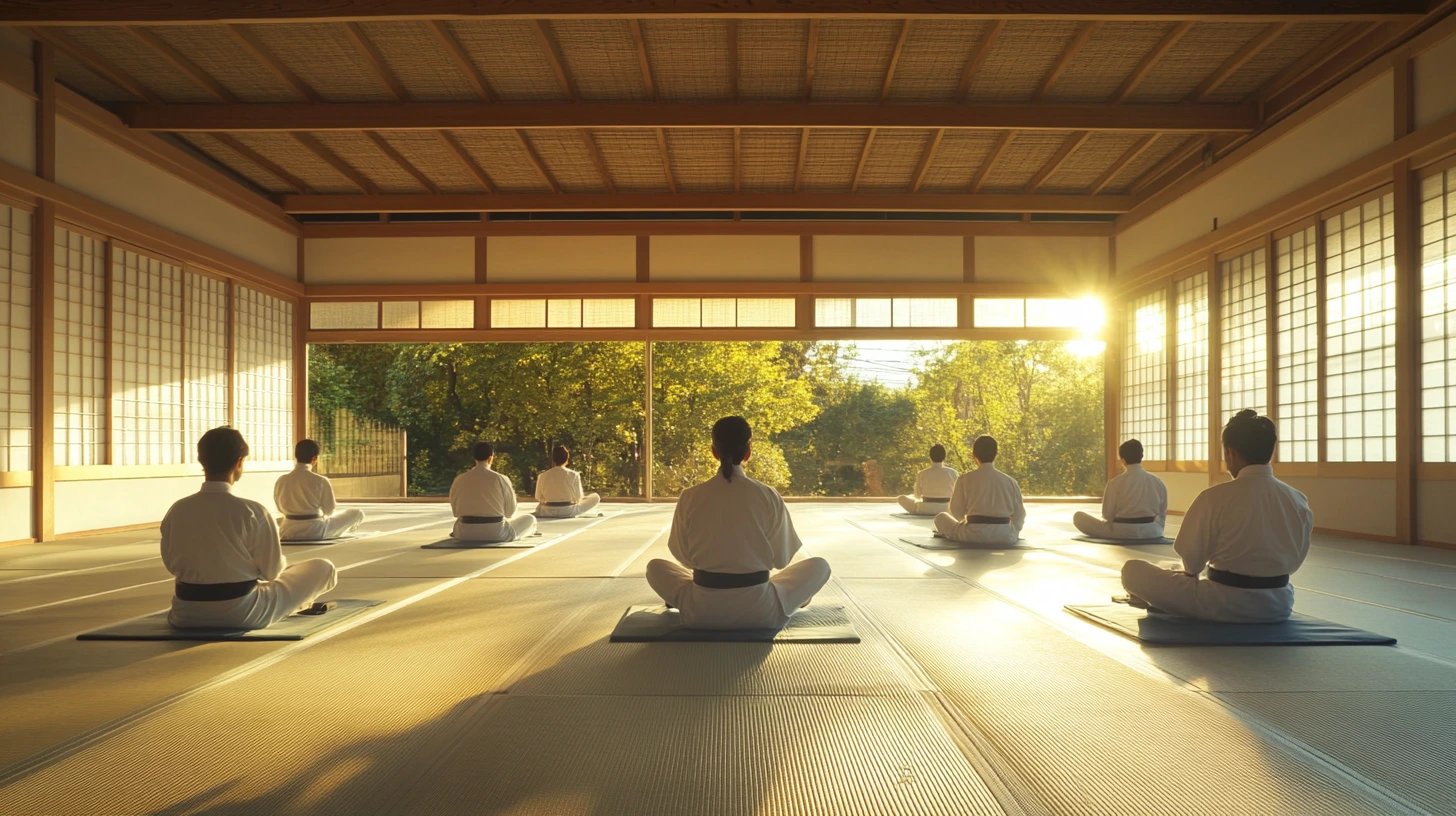
Aikido, a Japanese martial art developed in the early 20th century, is renowned not just for its techniques of defence and redirection, but for its underlying philosophy of harmony and peace. Central to this is the practice of meditation, which plays a crucial role in mastering Aikido. This article delves deep into the importance of meditation within Aikido practice, exploring its physical, mental, and spiritual benefits.
Understanding Aikido
The philosophy behind Aikido
Aikido is often described as the “Way of Unifying Life Energy” or the “Way of Harmonious Spirit”. Unlike many other martial arts, Aikido focuses on using the opponent’s energy against them and aims to resolve conflict peacefully.
The techniques of Aikido
Aikido techniques are characterised by their fluid and circular movements. They aim to blend with the motion of the attacker and redirect their force rather than confronting it head-on. This requires practitioners to be centred, balanced, and especially mindful – qualities which are heavily cultivated through meditation.
The scientific basis of meditation in martial arts
Meditation and the brain
Research has shown that meditation can physically alter the brain. A study by Massachusetts General Hospital found that mindfulness meditation increases gray matter density in the hippocampus and other areas of the brain involved in memory, learning, and emotional regulation (Source: Harvard Gazette).
Meditation and stress reduction
Meditation is widely known for its stress-relieving benefits. A meta-analysis by Johns Hopkins University reviewed 19,000 meditation studies and concluded that mindfulness meditation can help ease psychological stresses like anxiety, depression, and pain (Source: JAMA Internal Medicine).
The benefits of meditation in Aikido practice
Mental clarity and focus
In Aikido, the ability to maintain mental clarity and focus is vital. Meditation enhances concentration and helps practitioners remain calm and composed even in challenging situations. By regularly meditating, practitioners can clear their minds of distractions and concentrate on executing techniques more efficiently.
Emotional control and non-aggression
One of the core teachings of Aikido is to neutralise aggression without fighting back. Meditation promotes emotional regulation, reducing the impulse to react in anger or panic. Practitioners learn to respond with calm assurance and maintain their inner peace, reflecting the core philosophy of Aikido.
Improved breathing techniques
Meditation often involves deep and controlled breathing exercises, which have direct applications in Aikido. Proper breathing techniques help in maintaining stamina and controlling the body’s energy. Studies have shown that deep breathing can reduce heart rate and improve cardiovascular function (Source: Frontiers in Human Neuroscience).
Spiritual growth through meditation in Aikido
Connection with inner self
Meditation facilitates a deeper communion with one’s inner self. This introspection aligns with Aikido’s spiritual aspect. Engaging in meditation allows Aikido practitioners to reflect on their personal growth and spiritual journey, fostering a sense of inner harmony.
The concept of “Ki” or energy flow
Aikido emphasises harnessing and understanding “Ki” or life force energy. Through meditation, practitioners develop a heightened awareness of their own energy and that of others. This awareness is pivotal in executing Aikido techniques which rely on the subtle redirection of an opponent’s energy.
Implementing meditation in Aikido training
Structured meditation practices
Incorporating meditation into Aikido training can be done through structured sessions. Many Aikido dojos start or end classes with a few minutes of meditation to help students ground themselves.
Mindfulness techniques
Mindfulness techniques, such as focusing on breathing or silent meditation, can be interwoven into the practice. Outside of the dojo, practitioners can integrate mindful walks or body scans to enhance their meditative experiences.
Combining yoga and meditation for Aikido practitioners
Benefits of yoga
Yoga can complement Aikido training by improving flexibility, balance, and core strength. Additionally, yoga practices incorporate meditative elements, teachings of non-violence, and holistic body awareness which resonate with Aikido principles.
Yoga practices to enhance Aikido skills
Poses like “Tree Pose” or “Mountain Pose” enhance balance and posture, while “Child’s Pose” and “Savasana” provide relaxation and focus on breath awareness. Incorporating yoga stretches before or after Aikido practice can reduce injury risk and improve overall performance.
Challenges in integrating meditation in martial arts
Misunderstandings about meditation’s role
A common challenge is misconceptions about meditation being non-physical or unrelated to martial prowess. Educating practitioners on its scientific benefits and alignment with Aikido’s philosophy is essential.
Time constraints
Many practitioners, especially beginners, may find it challenging to allocate time specifically for meditation in their busy schedules. Encouraging short, consistent practice sessions can help overcome this hurdle.
Summary
Meditation is an invaluable element of Aikido practice, fostering mental clarity, emotional balance, and spiritual growth. Its integration within Aikido not only enhances performance on the mat but also enriches personal development. By embracing meditation, Aikido practitioners can align more deeply with the philosophical and physical aspects of this graceful martial art, embodying the true essence of harmonising energy and peaceful resolution. Whether you’re a novice or a seasoned practitioner, incorporating meditation into your routine can transform your Aikido journey and enrich your life beyond the dojo.
Frequently asked questions
1. Can beginners in Aikido also benefit from meditation?+
Yes, beginners in Aikido can greatly benefit from meditation. It helps in building focus, concentration, and emotional regulation, which are essential for learning Aikido techniques effectively.
2. Is sitting meditation the only form of meditation useful for Aikido?+
No, sitting meditation is just one method. Walking meditation, body scans, and mindful breathing exercises are also effective and can be tailored to individual preferences and circumstances.
3. How long should an Aikido practitioner meditate daily?+
While there is no strict rule, starting with 5 to 10 minutes daily and gradually increasing the duration as one becomes more comfortable can be beneficial.
4. Do all dojos incorporate meditation into their Aikido practice?+
Not all dojos include meditation formally, but many recognise its benefits and may encourage students to practice it independently. It's always good to discuss such interests with your instructor.
5. What is the best time to meditate when practising Aikido?+
The best time can vary depending on personal preference. Some may benefit from meditating before practice to centre themselves, while others find it more effective afterwards to reflect and relax.