
Mastering balance and coordination through Aikido
World Aikido Yoga
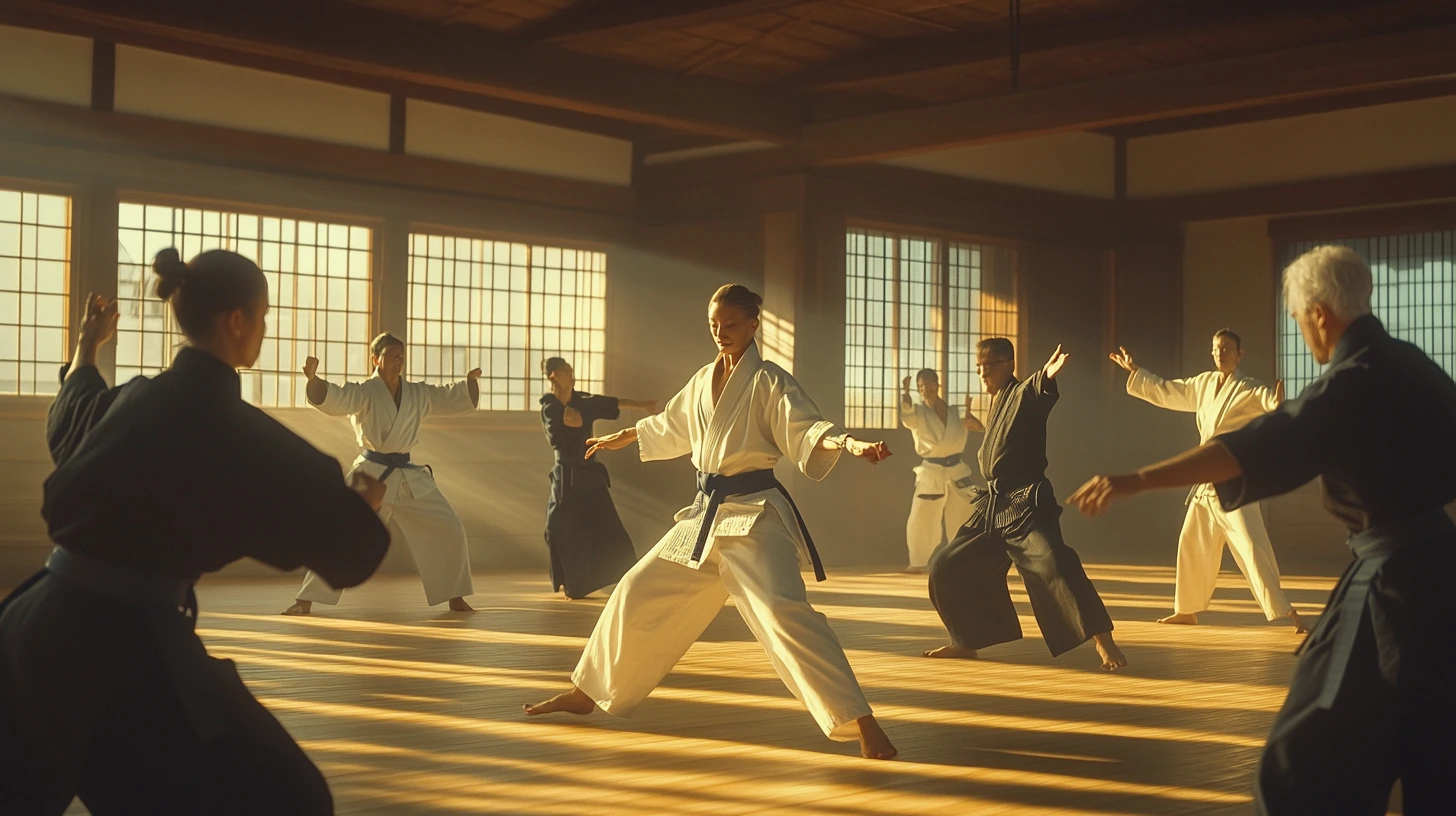
When considering martial arts, many people envision dramatic high kicks, rapid punches, and intense physical combat. However, Aikido stands apart with its graceful motion and its focus on harmony and balance. This unique martial art teaches practitioners how to blend with their attacker’s movements, redirect energy, and maintain balance in both physical and spiritual realms. This article explores how Aikido helps in mastering balance and coordination and why it could be the perfect practice for your wellness journey.
Understanding Aikido’s Philosophy
The essence of harmony
Aikido was developed by Morihei Ueshiba in the early 20th century. Unlike other martial arts that prioritize striking or defeating an opponent, Aikido emphasizes non-violence, compassion, and the redirection of aggression. This martial art’s core philosophy is about creating harmony out of conflict, both through physical movements and mental outlook.
The flow of ki
Central to Aikido is the concept of “ki,” which is often translated as life energy. Aikido practitioners learn to cultivate and harness their ki, allowing them to move fluidly and maintain balance. Individual ki is harmonized with an opponent’s energy rather than clashing against it. This promotes smoother, more coordinated movements that are not only effective in self-defense but also beneficial for overall stability and alignment.
Scientific Insights on Balance and Coordination
The role of the vestibular system
The vestibular system in the inner ear is crucial for maintaining balance. It helps regulate our sense of equilibrium, spatial orientation, and coordination. Training in Aikido stimulates the vestibular system, enhancing these sensory functions. A 2017 study published in Frontiers in Physiology demonstrates that practices simulating 360-degree movements, such as those in martial arts, can significantly improve balance and coordination by engaging vestibular function source.
Proprioception and motor skills
Aikido also sharpens proprioception, or the body’s ability to sense its position and movement in space. Engaging in Aikido’s flowing movements develops fine motor skills and spatial awareness. According to a 2015 study in the Journal of Sports Science & Medicine, martial artists, including Aikido practitioners, tend to exhibit superior proprioceptive acuity compared to non-practitioners source.
Enhancing Physical Balance through Aikido Practice
Core strength and stability
Aikido requires a stable centre of gravity, necessitating strong core muscles. The art’s movements often involve twisting and pivoting, which naturally strengthen your core. Regular practice results in enhanced stability and the ability to maintain balance even in dynamic situations.
Footwork and grounding
Practicing Aikido hones your ability to stay grounded. The practice involves a variety of footwork techniques that require precise, controlled movements. This enhances your ability to shift weight and stay balanced, no matter the direction or speed of your movements.
Improving Mental Coordination with Aikido
Mindfulness and focus
Aikido isn’t just about physical movements; it’s deeply connected to the mind. Practitioners learn to be present in the moment, fully aware of both their actions and surroundings. This mindfulness not only improves mental coordination but also reduces stress levels, leading to a clearer mind.
Problem-solving under pressure
Aikido trains the ability to think on your feet and adapt to changing circumstances. The practice involves simulated attacks and defense scenarios that develop quick decision-making skills and coordination under pressure. Aikido thereby enhances cognitive flexibility and mental resilience.
Real-life Applications of Aikido Skills
Everyday balance
The skills acquired through Aikido practice aren’t just applicable on the mat; they translate into everyday activities. Improved coordination and balance can reduce the risk of falls and injuries, especially as you age. This is particularly beneficial for maintaining independence and quality of life in later years.
Coordination in teamwork and relationships
Aikido’s principles extend into interpersonal relationships. By learning to harmonize rather than confront, you can improve coordination in teamwork settings, leading to more effective communication and collaboration.
Why Aikido is Suitable for All Ages
Adaptability of practice
One of the appealing aspects of Aikido is its adaptability. Whether you are young, middle-aged, or in your senior years, Aikido can be tailored to fit your physical abilities. It offers a peace-focused alternative that promotes balance and health without the competitive stress often associated with martial arts.
A supportive community
Practicing Aikido often involves becoming part of a supportive community that encourages growth and learning at your own pace. The inclusive nature allows practitioners to focus on personal development while fostering connections with others who share similar interests.
Summary
Aikido offers a unique pathway to mastering balance and coordination, intertwining physical movement with mental discipline. By focusing on harmony and flowing with life’s challenges, practitioners can achieve a more grounded and balanced existence. Whether you’re seeking physical benefits, mental clarity, or a harmonious way to navigate life, Aikido provides tools and skills that extend beyond the dojo. As an adaptable practice, it’s accessible to everyone, making it a lifelong companion in the pursuit of wellness and balance.
Frequently asked questions
1. What kind of physical benefits can I expect from practicing Aikido?+
Aikido enhances core strength, flexibility, and overall fitness. Regular practice improves balance and coordination, which can reduce the likelihood of injuries and falls.
2. Can I practice Aikido if I have a prior injury?+
Yes, Aikido is generally adaptable to individual needs and can often be practiced with modifications. However, it’s essential to consult with a healthcare provider or a certified Aikido instructor prior to starting if you have any significant injuries.
3. How does Aikido improve mental well-being?+
Aikido promotes mindfulness and focus, reducing stress and anxiety. It also enhances problem-solving skills and cognitive flexibility through dynamic practice and scenarios.
4. Do I need to be physically fit to start Aikido?+
No, Aikido is suitable for people of all fitness levels. The practice emphasizes personal progress and can be adjusted to accommodate varying levels of intensity and mobility.
5. How long does it take to see improvements in balance and coordination?+
While improvements can vary depending on the individual and the frequency of practice, many practitioners report noticeable changes in their coordination and balance within a few months of consistent practice.