
Nutrition tips for Aikido practitioners
World Aikido Yoga
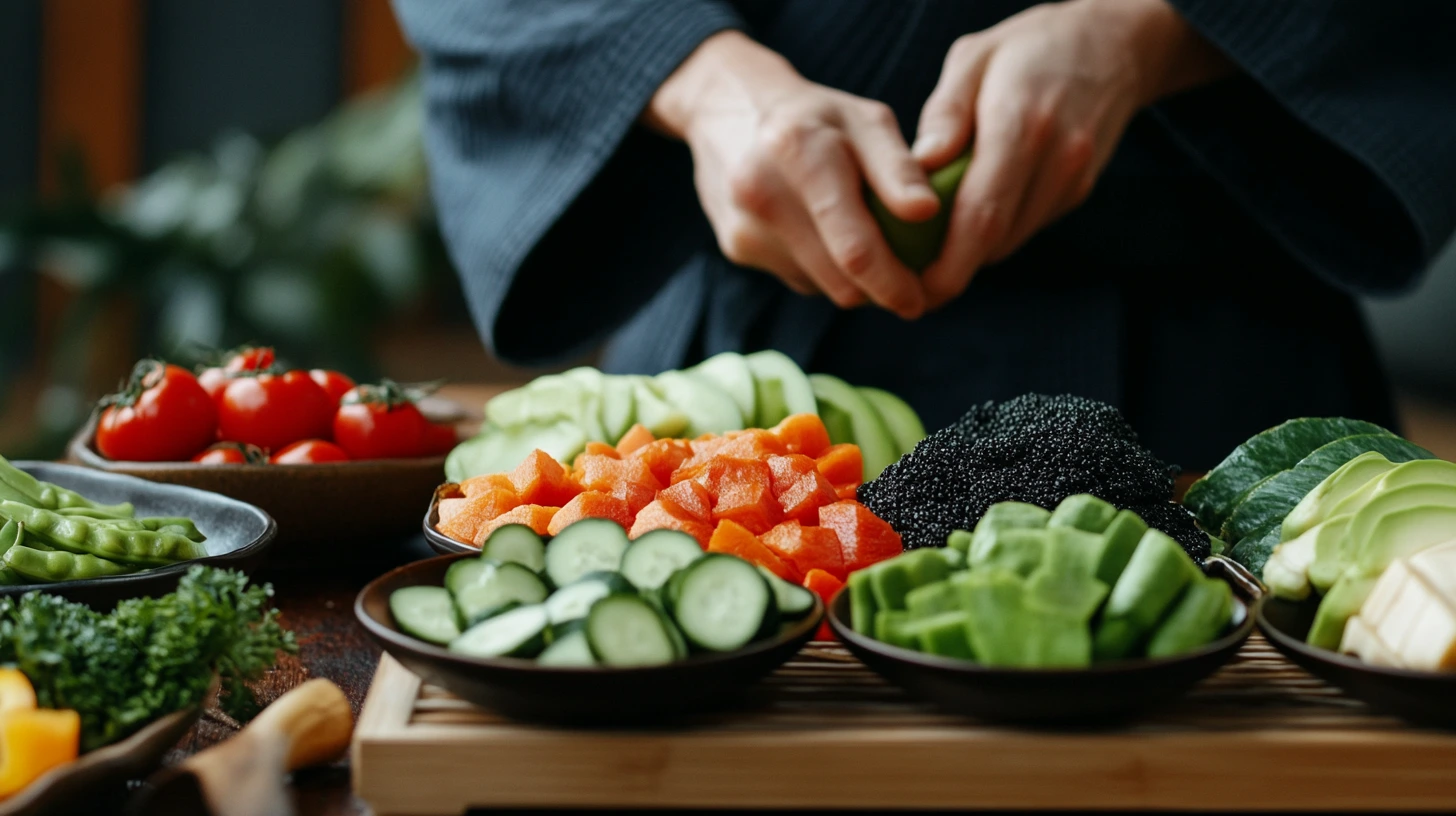
Supporting your Aikido practice with the right nutrition is essential to ensure you maintain energy, promote recovery, and enhance your overall performance. Proper dietary choices not only fuel your physical endeavours but also improve mental focus and overall well-being. Let’s delve into how Aikido practitioners can optimise their nutrition to achieve their martial art goals.
Importance of nutrition in Aikido
Aikido, much like other martial arts, demands a balance of physical strength, endurance, flexibility, and mental clarity. Nutrition is integral to supporting these aspects by supplying essential energy and nutrients required for body repair and cognitive function. Consuming a well-rounded diet can significantly boost your performance and recovery times.
Macronutrients
Carbohydrates
Carbohydrates are your main energy source for high-intensity training. It’s vital to focus on complex carbohydrates like whole grains, legumes, and vegetables. These offer a consistent energy release and pack in crucial nutrients. Scientific studies underscore their role in delaying fatigue during extended physical activities. Additionally, to minimise glucose spikes, it’s beneficial to consume carbohydrates after fibre-rich foods such as salads and vegetables. This slows down glucose absorption and prevents sudden spikes in blood sugar levels.
Protein
Protein is indispensable for muscle repair and growth. Include lean meats, poultry, fish, eggs, and dairy products in your diet. Plant-based options like beans, lentils, and tofu are also excellent choices. Adequate protein intake supports recovery and eases muscle soreness.
Fats
Healthy fats are necessary for hormone production and brain health. Incorporate foods like avocados, nuts, seeds, and olive oil. These fats digest slowly, keeping you satisfied and energised longer.
Micronutrients
Vitamins and Minerals
Aikido practitioners should aim for a wide range of vitamins and minerals by consuming a variety of non-tropical fruits, berries and vegetables. These nutrients are crucial for energy production, bone health, and inflammation reduction. Vitamin D and calcium support bone strength, while vitamin C bolsters the immune system and enhances recovery.
Hydration
Adequate hydration is essential to peak performance and efficient nutrient transport within the body. Regular water intake is a must, and electrolyte solutions can be beneficial after intense training sessions.
Special dietary considerations
Low-Fructose Fruits
Incorporate low-fructose fruits such as berries while avoiding tropical fruits known for higher fructose content. Berries, alongside their low fructose levels, are rich in antioxidants and support your body’s recovery process.
Special considerations
Weight Management
For weight control, focus on portion sizes and nutrient-dense foods. Prioritising whole foods ensures you receive maximum nutrition per calorie.
Food Sensitivities and Allergies
Account for any dietary restrictions and work with a nutritionist or dietitian to find suitable substitutes that maintain nutritional balance if allergies or intolerances are present.
Summary
Proper nutrition enhances performance, boosts recovery, and invigorates your overall well-being. By adopting these dietary principles, Aikido practitioners can better support their practice. Always consider individual dietary needs and seek professional advice where necessary.
Frequently asked questions
What is the best diet for an Aikido practitioner?+
A well-balanced diet full of whole foods, covering vegetables, lean proteins, whole grains, and healthy fats, tailored to individual needs and preferences.
Should I eat the same thing on rest days?+
While intake might reduce on rest days, maintain balanced meals to ensure ongoing recovery and readiness for future training.
How much protein should I consume as a martial artist?+
The recommended protein intake varies, generally ranging from 1.2 to 2.0 grams per kilogram of body weight, contingent on training intensity.
Are supplements necessary for martial arts training?+
While a balanced diet typically suffices, supplements may help in specific circumstances, such as vitamin D in low-sunlight areas.
Is hydration more important than diet?+
Both are equally critical. While hydration maintains optimal bodily functions during training, nutrition fuels and revitalises the body.