
Understanding the energy flow in Aikido techniques
World Aikido Yoga
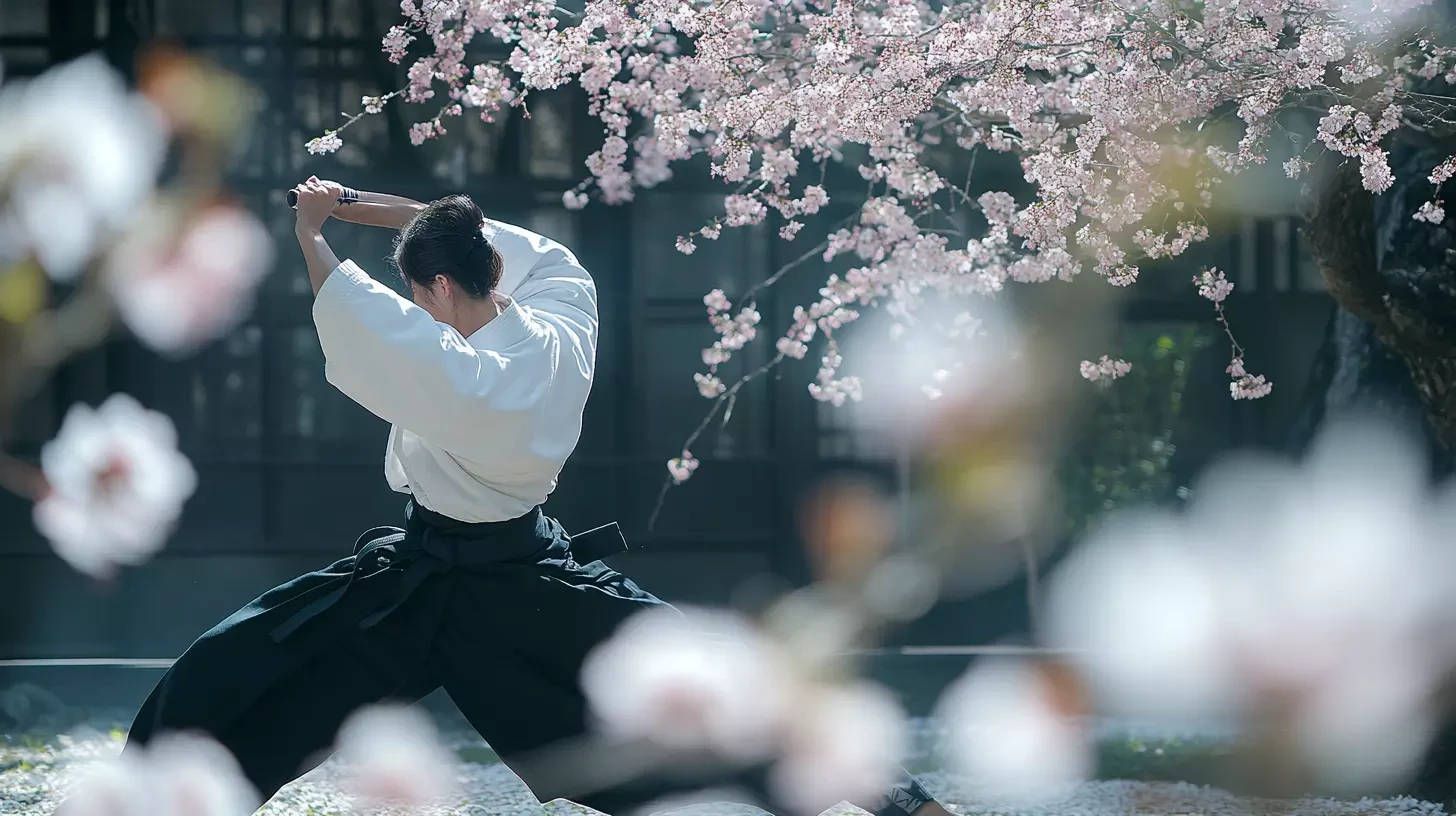
Aikido is a martial art that harmonises movement, technique, and philosophy, creating an effective yet non-violent form of self-defence. Central to this practice is understanding the flow of energy, or ‘ki’, and how it interconnects with every technique. This unique facet sets Aikido apart from other martial arts, which often focus more heavily on strength and physical dominance.
Exploring the concept of ‘ki’
Understanding ‘ki’ is the first step to grasping Aikido’s techniques. In traditional Japanese culture, ‘ki’ stands for the vital life force that animates every living being. It’s similar to the concept of ‘qi’ in Chinese philosophy, as used in Tai Chi and Qigong.
The significance of ‘ki’ in Aikido
In Aikido, harnessing and guiding ‘ki’ is imperative. The art is not just about physical manoeuvres but also about channeling and blending this subtle energy with that of an opponent. By harmonising your energy with another’s, you can redirect and neutralise aggressiveness without compromising on effectiveness. You essentially engage in a dance of balance, where power is derived not from sheer force but from the seamless flow of ‘ki’.
Scientific perspective on ‘ki’
While ‘ki’ is an esoteric concept, some parallels can be drawn with modern scientific understandings of energy flow and body dynamics. Research into biomechanics highlights how effective movement utilises the body’s kinetic chain, distributing energy throughout the body for optimal efficiency source.
Techniques that channel ‘ki’ effectively
Aikido techniques are thoughtfully designed to maximise the natural flow of ‘ki’. Each movement aims to optimise energy transfer and maintain balance, offering not just self-defence but also a powerful way to enhance overall wellbeing.
Ikkyo
Ikkyo, often the first technique taught to novices, embodies fundamental principles of energy redirection. It involves controlling the opponent through a wrist lock while maintaining your own ‘ki’ centre. This technique teaches practitioners to leverage an opponent’s energy into their advantage seamlessly.
Irimi Nage
Known as the entering throw, Irimi Nage allows the defender to enter the opponent’s attack line, blending with their energy effortlessly. This technique embodies the Aikido philosophy where confrontation is neutralised through harmony rather than resistance.
Kokyu Nage
Kokyu Nage, or breath throw, focuses on synchronising your breathing with the movement of ‘ki’. It stresses relaxation and timing over sheer strength, allowing you to throw an opponent with what seems to be minimal effort.
Integrating yoga and meditation with Aikido
Aikido’s foundational ethos extends naturally into practices like yoga and meditation, both of which can significantly enhance a practitioner’s understanding and execution of ‘ki’.
Yoga for balance and flexibility
Yoga compliments Aikido by cultivating physical awareness, flexibility, and strength without tension. Specific postures enhance body alignment and energy flow, making it easier to execute techniques like Ikkyo and Irimi Nage with precision and ease.
Meditation for mental focus and clarity
Meditation develops the mental discipline needed for Aikido. By focussing the mind, you become more attuned to the subtle flows of ‘ki’, both within yourself and in an opponent. This mental clarity aids in the seamless execution of Aikido techniques, enhancing both performance and safety.
Scientifically-backed benefits of blending these practices
A growing body of research supports the myriad benefits of integrating Aikido with yoga and meditation. A study in the Health Psychology journal suggests these practices lower stress levels, improve mood, and boost overall psychological well-being source.
Enhanced physical health
Practising Aikido, yoga, and meditation together fosters a powerful synergy, enhancing physical health. Aikido delivers cardiovascular benefits and improves muscle tone, yoga builds flexibility and core strength, and meditation might contribute to lower blood pressure and improved heart health as suggested by studies in the Journal of Psychosomatic Research source.
Emotional and mental resilience
Engaging in these practices collectively fosters resilience and emotional well-being. As supported by research in Clinical Psychology Review source, meditation is shown to reduce anxiety, and yoga can improve emotional responses, aligning perfectly with the calm, disciplined ethos of Aikido.
Summary
Understanding the flow of energy in Aikido techniques enriches the practice by offering deeper insight into its principles of harmony and balance. Integrating complementary practices like yoga and meditation not only enhances skill and execution in Aikido but also promotes physical and mental well-being. These practices together create a holistic approach to self-defence and personal growth, embodying a life philosophy that values harmony over conflict.
Frequently asked questions
What makes Aikido unique among martial arts?+
Aikido's uniqueness lies in its philosophy of harmony, focusing on neutralising attacks through fluid movement rather than through force and aggression.
How does 'ki' influence Aikido practice?+
'Ki' influences Aikido by creating a basis for techniques that deflect and neutralise an opponent's energy as opposed to meeting it head-on.
Can anyone practise Aikido?+
Yes, Aikido is designed to be accessible. Individuals of all fitness levels and ages can benefit, making it suitable for children and adults alike.
How do yoga and meditation complement Aikido?+
Yoga enhances physical readiness for Aikido with improved flexibility, while meditation fosters the mental focus required for honing 'ki'.
Are there scientific studies supporting the benefits of these practices?+
Yes, numerous studies support the health benefits of integrating martial arts, yoga, and meditation, including mental health improvements and physical resilience.