
The connection between Aikido and yoga
World Aikido Yoga
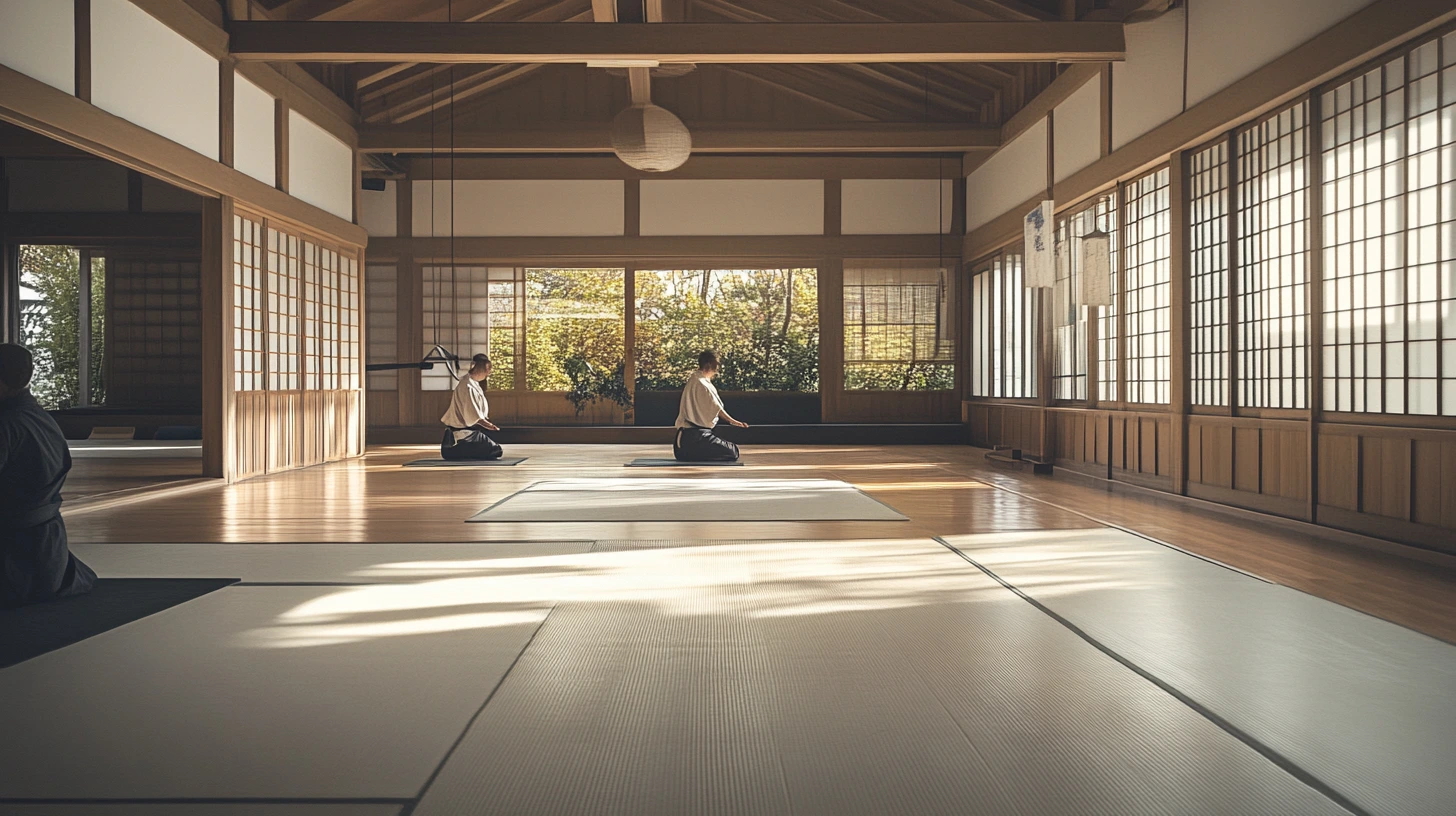
Exploring the connection between Aikido and yoga
In the modern wellness landscape, Aikido and yoga emerge as two powerful disciplines blending physical prowess and mental tranquillity. While Aikido is revered as a martial art emphasising harmony and non-aggression, yoga is celebrated for its comprehensive approach to physical, mental, and spiritual health. Although they serve different purposes, they share remarkable synergies and underlying philosophies that highlight the profound connection between the two.
Philosophical foundations
The pursuit of harmony and balance
At the core of both Aikido and yoga is the shared philosophical pursuit of harmony and balance. Aikido espouses harmony through the concept of “aiki,” which involves blending with an opponent’s energy to neutralise conflict. This principle transcends physical confrontations and extends to emotional and mental challenges.
In yoga, harmony is achieved by uniting the body, mind, and spirit. The Sanskrit term “yoga” itself means union, reflecting the discipline’s objective to integrate different aspects of the self for holistic wellbeing.
Together, Aikido and yoga promote this integrative approach by teaching practitioners to align their physical actions with their mental intentions, fostering a balance that enhances overall life satisfaction.
Self-awareness and mindfulness
Both Aikido and yoga emphasise the cultivation of self-awareness and mindfulness, key components in managing life’s complexities. These disciplines serve as vehicles for self-discovery, inviting practitioners to explore their inner landscapes.
- Aikido: Encourages mindfulness in action, prompting practitioners to engage fully in the present moment. This awareness sharpens reflexes and reduces the automatic fight-or-flight response during stressful situations.
- Yoga: Deepens mindfulness through meditation and breath control (pranayama), offering techniques to calm the mind and alleviate stress.
These shared focuses on mindfulness and self-awareness create a strong foundation for personal growth and emotional resilience.
Physical and energetic dynamics
Movement and alignment
Aikido and yoga both involve a sophisticated understanding of movement and body alignment. The practices facilitate greater physical awareness, improving how practitioners move through the world.
- Aikido’s circular movements: Aikido exploits circular motions to utilise the attacker’s force against them. It stresses the importance of body alignment to maintain balance and execute techniques effectively.
- Yoga’s structured postures: In yoga, asanas (poses) are designed to optimise body alignment, promoting flexibility, strength, and stamina. Proper alignment prevents injury and fosters a deeper connection with one’s physical self.
The emphasis on movement and alignment in both disciplines encourages a continuous dance of energy and promotes flexibility, grace, and control.
Breath as a conduit for energy
A fundamental element in both Aikido and yoga is the strategic use of breath to harness and direct energy. This understanding transforms basic physical exercises into profound energetic practices.
- Aikido: Utilises controlled breathing to maintain focus and enhance the flow of ki (internal energy), supporting the fluid execution of techniques.
- Yoga: Employs various pranayama techniques to regulate energy (prana), offering practitioners access to deeper meditative and contemplative states.
Thus, the breath acts as a bridge between the physical and energetic bodies, fostering relaxation and alertness simultaneously.
Psychological and emotional benefits
Stress reduction and emotional stability
The integration of Aikido and yoga offers profound psychological advantages, notably in stress reduction and emotional balance. By engaging in these disciplines, practitioners experience a heightened sense of well-being and resilience against external pressures.
- Aikido practice: Provides tools for emotional regulation by developing an attitude of non-resistance and adaptability, allowing practitioners to navigate conflict with poise.
- Yoga practice: Offers meditative practices that calm the mind, reduce anxiety, enhance mood, and contribute to a sense of inner peace.
Promotion of mental clarity
Engaging in Aikido and yoga facilitates mental clarity and concentration. Both practices foster a focused mind, which is essential for personal and professional success.
- Aikido: Sharpens mental acuity by requiring a constant state of ‘zen mind’, anticipating and reacting to dynamic situations smoothly.
- Yoga: Improves cognitive functions by integrating meditation and breathing techniques that enhance focus and memory.
These cognitive benefits reinforce the importance of integrating physical and mental training for a well-rounded life approach.
The benefits of integration
Enhancing personal growth and development
Combining Aikido and yoga creates a comprehensive training system that addresses both the internal and external aspects of personal development.
- Physical growth: The combination of Aikido’s dynamic movement with yoga’s static poses results in increased physical strength, agility, and endurance.
- Emotional and spiritual growth: The disciplines’ shared mindfulness and meditation techniques foster emotional maturity and spiritual insight.
Building community and connection
A notable benefit of integrating Aikido and yoga is the creation of a supportive community. Practitioners share their journeys, insights, and challenges, fostering a sense of belonging and mutual respect.
This community aspect nurtures interpersonal skills and empathy, reinforcing the interconnectedness of all individuals.
Summary
Aikido and yoga, while distinct in their practices, share deep connections and philosophies that complement each other. Their integration fosters a holistic approach to life that emphasises harmony, mindfulness, and personal growth. As practitioners embark on a dual journey with Aikido and yoga, they experience transformative benefits that improve their physical health, emotional balance, and mental clarity. This synergy between the two disciplines empowers individuals to cultivate a more connected and fulfilling life, embodying the essence of both martial sobriety and spiritual serenity.
For those eager to deepen their understanding, further exploration and participation in classes can provide the experiential knowledge that enhances one’s journey in both Aikido and yoga.
Frequently asked questions
How does Aikido complement my yoga practice?+
By integrating Aikido into your yoga practice, you can enhance your physical coordination, balance, and ability to manage conflict non-aggressively, enriching your holistic wellbeing.
Can yoga improve my Aikido skills?+
Yes, yoga enhances flexibility, mental clarity, and breath control, which are essential skills for refining Aikido techniques and improving overall performance.
Is Aikido-Yoga a recognised hybrid practice?+
While not universally recognised as a distinct practice, many modern practitioners blend Aikido and yoga principles to benefit from their complementary strengths.
Do I need to be athletic to practice Aikido or yoga?+
No, both Aikido and yoga emphasize personal growth from any starting point and welcome participants of all fitness levels.
How often should I practice to see benefits?+
Regular practice is key, with a recommended frequency of at least 2-3 times per week. Consistency enhances the mental and physical benefits.