
Aikido vs. other martial arts: key differences
World Aikido Yoga
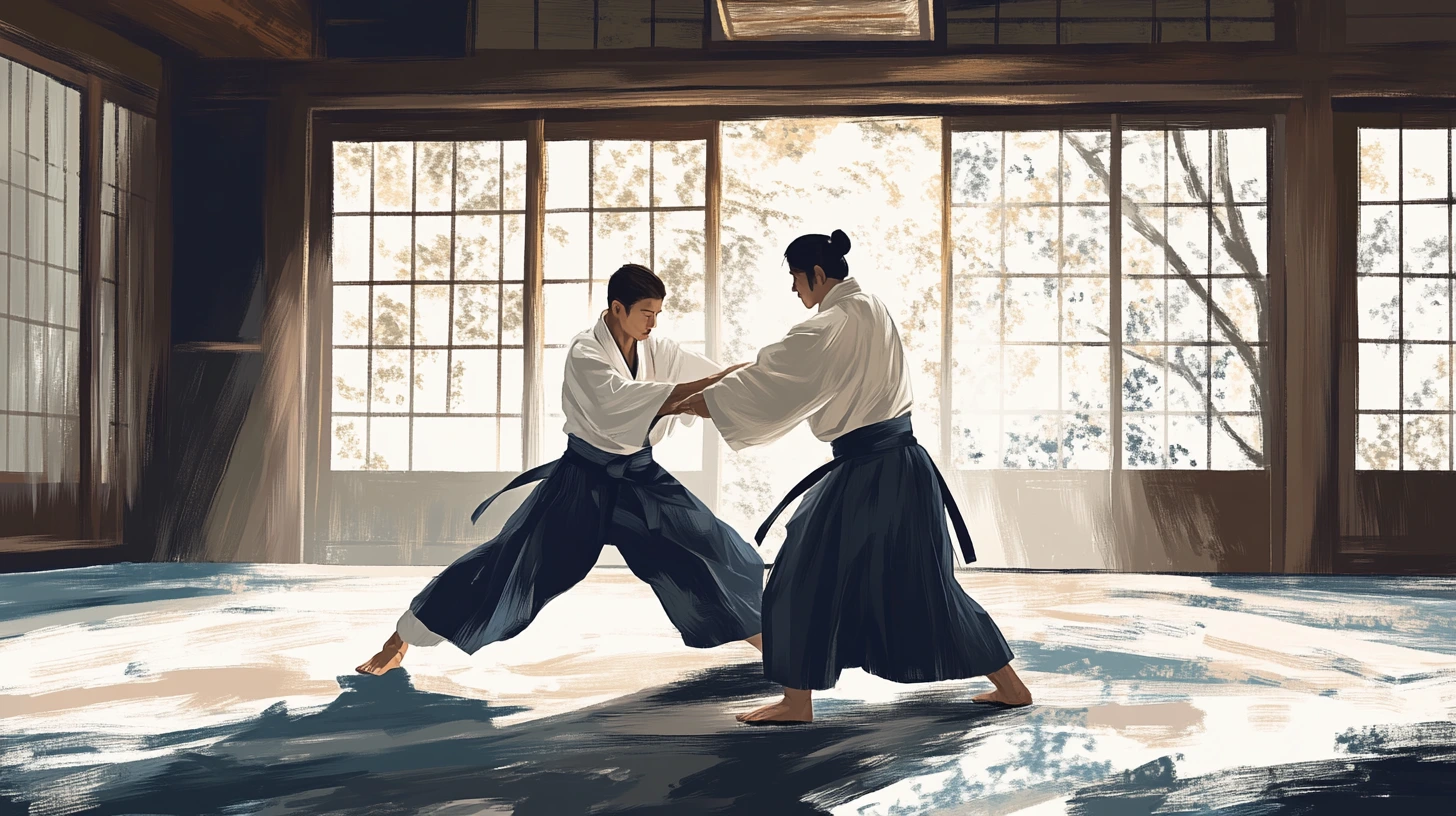
Aikido is a martial art that emphasises harmony, peace, and self-defence without aggression. Developed in Japan, it has gained popularity worldwide due to its unique approach to conflict resolution and physical well-being. However, how does Aikido differ from other martial arts such as Karate, Judo, Taekwondo, and others? This article will delve into the key differences and provide a comprehensive comparison with these martial arts.
Aikido: A brief overview
Aikido, which means “the way of harmony with the spirit,” was founded by Morihei Ueshiba in the early 20th century. It focuses on using an opponent’s energy and strength against them through techniques that involve joint locks, throws, and pins. Aikido aims to neutralise aggression rather than confront it head-on.
The principles of Aikido
Harmony and balance
Central to Aikido is the concept of blending with an attack rather than opposing it. This principle is reflected in the art’s fluid and circular movements.
Non-aggression
Unlike some martial arts that focus on striking or grappling to dominate an opponent, Aikido emphasises self-defence without causing harm. This makes it appealing to those seeking a more peaceful approach to martial arts.
Physical and mental discipline
Practitioners are encouraged to cultivate both physical strength and mental focus. This holistic approach fosters well-being and personal growth.
Comparing Aikido with other martial arts
Aikido vs. Karate
Philosophy and focus
While Karate is primarily a striking art using punches, kicks, and blocks, Aikido focuses on redirecting an opponent’s energy. Karate emphasises physical strength and aggressive techniques to overcome adversaries, while Aikido promotes harmony and non-resistance.
Training and technique
Karate training often involves practising katas (pre-arranged forms) and sparring to hone striking skills. Aikido training, on the other hand, highlights wristlocks, throws, and pins without the need for direct confrontation or force.
Applications and outcomes
Karate can be effective for self-defence and exercise but often requires significant physical exertion and conditioning. Aikido’s techniques aim to protect both the practitioner and the attacker, making it an attractive option for those seeking non-violence.
Aikido vs. Judo
Origin and background
Both arts are Japanese and share a focus on throws and joint locks. Judo was derived from Jujutsu, a traditional Japanese combat art, to bring martial disciplines into a sport setting.
Competitive element
Judo is an Olympic sport, characterised by intense competition where the objective is to throw or immobilise an opponent. Aikido does not have a competition element and stays true to its founder’s vision of a more philosophical and meditative practice.
Training approach
Judo training involves rigorous conditioning and preparation for competitions. Aikido classes tend to be more fluid, focusing on techniques that promote coordination and balance.
Aikido vs. Taekwondo
Cultural influence
Originating from Korea, Taekwondo is noted for its high, fast kicks and emphasis on discipline and respect. Aikido, with its Japanese roots, reflects a more introspective and meditative practice.
Techniques and style
Taekwondo’s repertoire of kicks distinguishes it from other martial arts. Aikido, however, relies on body movements to redirect force rather than striking an opponent.
Speed and agility
Taekwondo develops speed and agility, making it effective in deflecting attacks with precision. In contrast, Aikido concentrates on timing and smooth execution to harmonise with an attacker’s movements.
Aikido vs. Brazilian Jiu-Jitsu (BJJ)
Groundwork focus
Brazilian Jiu-Jitsu is renowned for its strong emphasis on ground fighting and submission techniques. Aikido, conversely, prioritises standing techniques and using an opponent’s momentum to perform throws and joint locks.
Physical demands
BJJ is physically demanding, requiring stamina and strength. With a focus on rolling and sparring, practitioners often engage in physically intense sessions. Aikido, while still physically engaging, can be gentler on the body, appealing to various age groups and fitness levels.
Philosophy of engagement
BJJ strategies often encourage closing the distance to control the opponent on the ground, while Aikido encourages maintaining distance and redirecting energy without direct confrontation or competition.
Aikido vs. Kung Fu
Cultural and historical context
Kung Fu is a term that encompasses various Chinese martial arts, each with its own history, philosophy, and techniques. Aikido has a more singular development lineage through Morihei Ueshiba’s vision.
Diversity of styles
With many varied styles and approaches, Kung Fu presents a rich tapestry of techniques, forms, and applications, each depending on the school and lineage. Aikido’s techniques are more uniform, focusing on unity and peace.
Purpose and adaptation
Kung Fu can be adapted for self-defence, performance, or fitness. Aikido remains consistent in its principle of non-aggression, aiming to increase harmony and peaceful resolution skills.
Scientific backing and psychological aspects
Stress reduction and mental clarity
Scientific research highlights that martial arts like Aikido can reduce stress and improve mental well-being. A study published in the Journal of Sports and Exercise Psychology found that participation in martial arts training can lead to positive psychological changes, such as improved mood and stress management (Source: Journal of Sports and Exercise Psychology).
Physical benefits
Martial arts consistently enhance cardiovascular health, flexibility, and muscle strength. Aikido, in particular, improves balance and coordination, which can be beneficial for various demographics, including older adults (Source: Centers for Disease Control and Prevention (CDC)).
Building resilience and confidence
Practising martial arts can foster resilience, enhance focus, and boost self-esteem, contributing to overall personal development (Source: Mental Health Foundation).
Summary
Aikido stands apart from other martial arts through its unique principles of harmony, non-aggression, and personal growth. Whether compared to striking arts like Karate and Taekwondo or grappling styles such as Judo and Brazilian Jiu-Jitsu, Aikido maintains a distinct identity that resonates with those seeking peace and self-improvement rather than competition. By embracing Aikido’s teachings, practitioners not only enhance their physical abilities but also cultivate mental clarity and resilience, fostering a meaningful and balanced approach to life.
Frequently asked questions
What makes Aikido different from other martial arts?+
Aikido differs in its principles of harmony and non-aggression. It prioritises redirecting an opponent's force instead of direct conflict, maintaining peaceful resolutions akin to its philosophical roots.
Can Aikido be effective for self-defence?+
While it involves techniques suitable for self-defence, Aikido's effectiveness largely depends on the practitioner's skill in applying its principles to real-world situations.
How does Aikido promote mental well-being?+
Through regular practice, Aikido enhances focus, reduces stress, and fosters discipline, contributing positively to mental health.
Is Aikido suitable for all ages?+
Yes, Aikido's adaptable techniques make it suitable for various age groups, including children and older adults, due to its lower physical impact compared to more intense martial arts.
Are there competitive Aikido tournaments?+
No, traditional Aikido practices maintain a focus on self-betterment and philosophical growth, rather than competition, distinguishing it from other martial arts.