
Aikido Bayside’s tips for aspiring martial artists
World Aikido Yoga
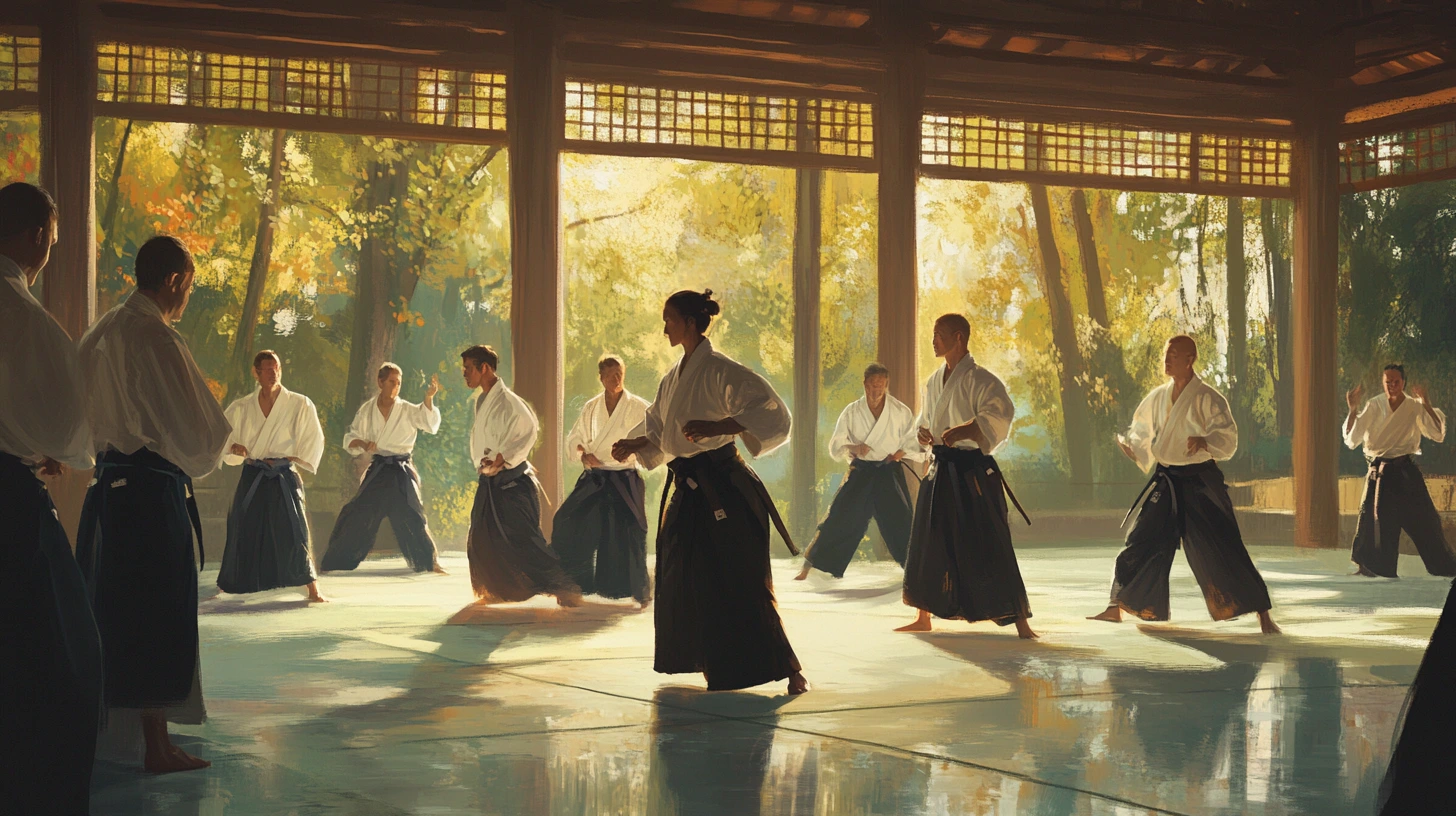
Aikido, an exceptional martial art, is more than just a self-defence technique; it offers a holistic approach to personal development, from physical strength to mental clarity. At Aikido Bayside, we are dedicated to guiding aspiring martial artists on their path towards mastery. Whether you are entirely new to martial arts or have some experience under your belt, these tips will help you navigate your journey with increased confidence and understanding.
Understanding the philosophy of Aikido
A central aspect of Aikido is its philosophy, which beautifully marries defence and peace. Aikido translates to ‘the way of harmony with the spirit,’ exemplifying a diverging approach from competitive martial arts. Instead of concentrating on winning or overpowering an opponent, Aikido fosters a balance with others, encouraging practitioners to turn adversarial energy into harmonious movement.
Emphasising non-resistance
One of the cornerstone teachings in Aikido is the principle of non-resistance. By learning how to maintain balance and redirect an attacker’s energy, practitioners can deflect aggression without causing harm. This is achieved through precise timing, fluid motion, and understanding the art of blending.
Integrating mindfulness in practice
Mindfulness naturally complements Aikido’s philosophy. By staying present and aware during practice, students can better perceive subtle shifts in energy and motion, ensuring a well-timed, effective response. Techniques such as controlled breathing help in maintaining this mindfulness, reducing stress and improving overall practice quality.
Building physical competence
Becoming proficient in Aikido requires physical conditioning. While the art is suitable for individuals of all fitness levels, enhancing physical capabilities can notably improve techniques.
Flexibility and motor skills
Flexibility is essential for the dynamic movements inherent in Aikido. Incorporating stretching routines and yoga can enhance flexibility, preventing injuries and facilitating smooth execution of techniques. Improved motor skills and reflexes ensure agility and fluid motion, both crucial for effective practice.
Core strength and endurance
A strong core provides stability and power, essential for Aikido practitioners. Engaging in core strengthening exercises not only improves physical performance in dojos but also benefits overall health. Endurance training enhances stamina, allowing longer practice sessions without fatigue.
Mastering techniques
While the philosophy and physical aspect set the foundation, mastering Aikido techniques is the heart of the journey. Regular practice and dedication are key factors in this learning curve.
Fundamental techniques
Beginners should focus on understanding the basic stances (kamae) and movements (taisabaki). Mastering the fundamentals allows for seamless progression to more advanced techniques. Practitioners must regularly practice kata – pre-arranged forms – which are crucial for ingraining movements in muscle memory.
Randori and Its importance
Randori, or free practice, gives students the opportunity to apply techniques learned in a controlled environment. It involves reacting to multiple attacks, enhancing decision-making and adaptability. Regular engagement in randori improves real-time application of skills.
The role of meditation and yoga
Both yoga and meditation complement Aikido by nurturing mental clarity and body awareness. These practices can particularly enhance emotional resilience and focus, vital attributes for martial artists.
Yoga for flexibility and mind-body connection
Yoga not only boosts flexibility but promotes better understanding and control over one’s body. Regular practice aids in developing inner peace, which aligns with Aikido’s non-competitive spirit.
Meditation for focus and stress relief
Meditation aids in sharpening concentration and calming the mind. This is crucial during practice, as a focused mind is better prepared to learn and execute techniques effectively. Regular meditation sessions serve as a significant stress-reliever, promoting overall mental wellness.
Creating a supportive community
Establishing a strong connection with fellow martial artists creates an enriching learning environment.
Participating in workshops and seminars
Workshops and seminars are excellent opportunities for practitioners to expand their learning. Exposure to different styles and instructors can present new techniques and perspectives, enriching the practitioner’s own repertoire.
Engaging with local Aikido groups
Joining local Aikido communities provides a platform for exchanging ideas, sharing experiences, and building camaraderie. This communal support fosters continuous improvement and encouragement.
Summary
Incorporating Aikido into your life can profoundly transform your physical, mental, and emotional wellbeing. At Aikido Bayside, we emphasise a holistic approach combining martial arts, yoga, and meditation to nurture overall growth. By embracing these practices, aspiring martial artists can develop resilience, peace, and a deeper connection with themselves and the world around them.
Frequently asked questions
How long does it take to learn Aikido?+
The journey of mastering Aikido is unique to each individual. Starting with the basics, consistent practice and personal dedication are key to advancing through Aikido's complex layers over time.
Can Aikido be practised as self-defence?+
Yes, Aikido is effective for self-defence as it leverages an opponent’s energy to diffuse threats. It's crucial to practice consistently and under the guidance of experienced instructors for effectiveness.
Does one need to be in good shape to start learning Aikido?+
No, Aikido is suitable for all fitness levels. As practice progresses, practitioners often find improvements in their overall physical condition and can tailor fitness enhancements accordingly.
How often should one practice Aikido to become proficient?+
Regular practice, ideally several times a week, is recommended. However, consistency and the quality of practice are more significant than frequency.
Can children learn Aikido?+
Yes, children can benefit greatly from Aikido as it teaches self-discipline, respect, and self-defence. Child-focused classes typically adapt techniques to be developmentally appropriate.