
Aikido techniques for stress relief
World Aikido Yoga
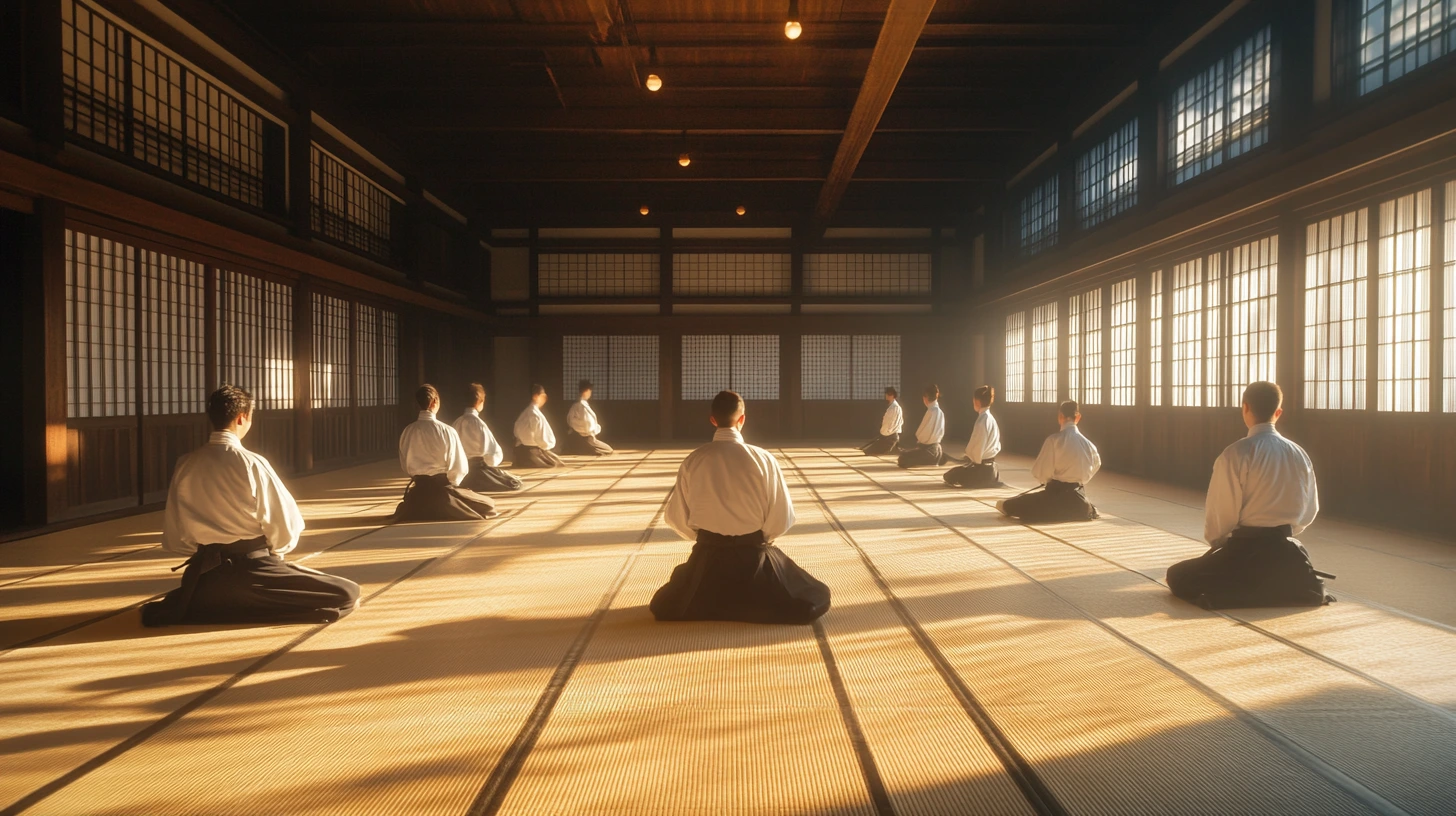
Aikido, a graceful Japanese martial art, is not just about self-defence. It also provides a pathway to inner peace, improved mental clarity, and effective stress management. In today’s fast-paced world, where stress is an ever-present companion, Aikido offers techniques and philosophies that can be transformative. It’s a discipline that invites you to blend with life’s demands, redirect stress, and maintain harmony with yourself and others.
Understanding stress and its consequences
Before exploring how Aikido can alleviate stress, it’s important to understand the nature and impact of stress on our lives. Stress is the body’s natural reaction to any change that requires an adjustment or response. Acute stress is a normal part of life, but chronic stress can be detrimental to your health, contributing to issues such as cardiovascular disease, obesity, and mental health disorders (Source: Centers for Disease Control and Prevention).
Symptoms of chronic stress
- Physical symptoms – Chronic stress can manifest physically as headaches, muscle tension, chest pain, or disruptions in sleep patterns.
- Emotional symptoms – Stress may cause feelings of anxiety, or depression, and can alter mood dramatically.
- Cognitive symptoms – It can interfere with your ability to concentrate, make decisions, or remember important information.
Aikido for stress relief
Aikido, often called the “Way of Harmonious Spirit,” is a non-competitive martial art focusing on blending with the energy of an attacker to neutralise aggression. This unique approach offers valuable techniques for stress reduction.
Breathing and centring exercises
Aikido emphasises controlled breathing, known as “Kokyu,” which promotes relaxation and reduces the physiological symptoms of stress. Deep, diaphragmatic breathing regulates cortisol levels, a hormone released during stress (Source: National Institutes of Health). By mastering breathing techniques, Aikido practitioners learn to centre themselves, finding calm amid chaos.
Promoting flow through movement
Movement is a vital component of Aikido. The art encourages fluid, circular motions that require the practitioner to remain centred, allowing stress to dissipate naturally. Engaging in these movements releases endorphins, the body’s natural stress relievers (Source: Mayo Clinic).
The philosophy of acceptance and redirection
Aikido’s philosophy mirrors life’s challenges—rather than resisting obstacles, learn to flow with them. Techniques like Tenkan and Irimi Nage embody this principle, showing stress can be redirected rather than combatted directly. These teachings cultivate a mindset of adaptability, significantly reducing emotional and mental stress.
Techniques to practice
Tenkan (Turning movement)
Tenkan emphasises grounding energy and redirecting it fluidly. As you rotate 180 degrees, you symbolically shift perspective, learning to accept and redirect stressors.
Kokyu Dosa (Breath power movement)
This exercise harmonises body movements with breathing. By synchronising breath with movement, practitioners can achieve a state of Zen-like calm that alleviates stress and increases awareness.
Shikko (Knee walking)
While physically demanding, Shikko builds core strength and focus. The rhythmic, meditative motion encourages mindfulness and aids in relaxing tense muscles, easing the mind.
Randori (Multiple attack defence)
Though advanced, practising Randori hones your ability to remain calm under pressure. This dynamic exercise encourages quick thinking and decision-making while staying centred and calm, improving stress resilience.
Community and dojo atmosphere
The Aikido dojo offers more than physical training; it provides a nurturing environment where practitioners build supportive relationships. Participation in a like-minded community fosters a sense of belonging, reducing feelings of isolation common with stress.
Building resilience through regular practice
Regular Aikido practice fosters resilience. The dojo becomes a sanctuary where repetitive training in techniques like Ukemi (falling techniques) and Kote Gaeshi (wrist turn) nurtures patience and persistence, embedding these traits in everyday life.
Encouraging mindfulness and presence
Aikido naturally integrates mindfulness into practice. Focusing on precise movements and the energy exchange with partners brings mindfulness to the forefront. This mindfulness can be applied beyond the mat, helping manage everyday stress.
Combining Aikido with other wellness practices
Integrating Aikido with other wellness practices amplifies its stress-relief benefits, promoting holistic health.
Yoga for enhanced flexibility and relaxation
Yoga complements Aikido perfectly. It enhances flexibility and body awareness, critical for executing Aikido techniques smoothly. Practising yoga also increases relaxation, reducing stress naturally (Source: Harvard Medical School).
Meditation for mental clarity
Meditation helps clear mental clutter, improving focus and reducing stress. By incorporating meditation into your Aikido routine, you enhance your mind’s ability to achieve a peaceful state (Source: Nature Reviews Neuroscience).
Nutrition for stress management
A balanced diet supports physical health, impacting stress levels directly. Consuming a nutritious diet rich in antioxidants, vitamins, and minerals supports mood balance and energy levels, optimising Aikido practice’s benefits (Source: Harvard T.H. Chan School of Public Health).
Summary
Aikido is more than a self-defence system; it’s a powerful tool for stress relief. By harnessing the art’s principles of breathing, movement, and energy redirection, practitioners can achieve a harmonious state, reducing stress’s impact on their lives. The holistic approach of Aikido, particularly when combined with yoga, meditation, and proper nutrition, offers a robust framework for enhanced well-being. As you step onto the mat, you embark on a journey towards a stress-free, balanced lifestyle.
Frequently asked questions
How long does it take to experience stress relief from Aikido?+
While benefits can be felt after a few sessions, regular practice of two to three times weekly is recommended for long-lasting stress relief.
Is Aikido suitable for beginners?+
Yes, Aikido is beginner-friendly and adapts to the practitioner’s skill level. Classes are designed to introduce basic techniques progressively.
How does Aikido compare with other martial arts for stress relief?+
Aikido’s unique focus on harmony makes it superior for stress relief. Unlike martial arts that emphasise sparring, Aikido highlights peace and redirection.
Can children benefit from Aikido?+
Absolutely. Aikido is excellent for children, teaching them discipline, concentration, and stress management while enhancing physical health.
Does Aikido have any psychological benefits?+
Yes, Aikido promotes self-awareness, mindfulness, and emotional balance. It also increases confidence, contributing positively to psychological well-being.