
Using Aikido principles in the workplace
World Aikido Yoga
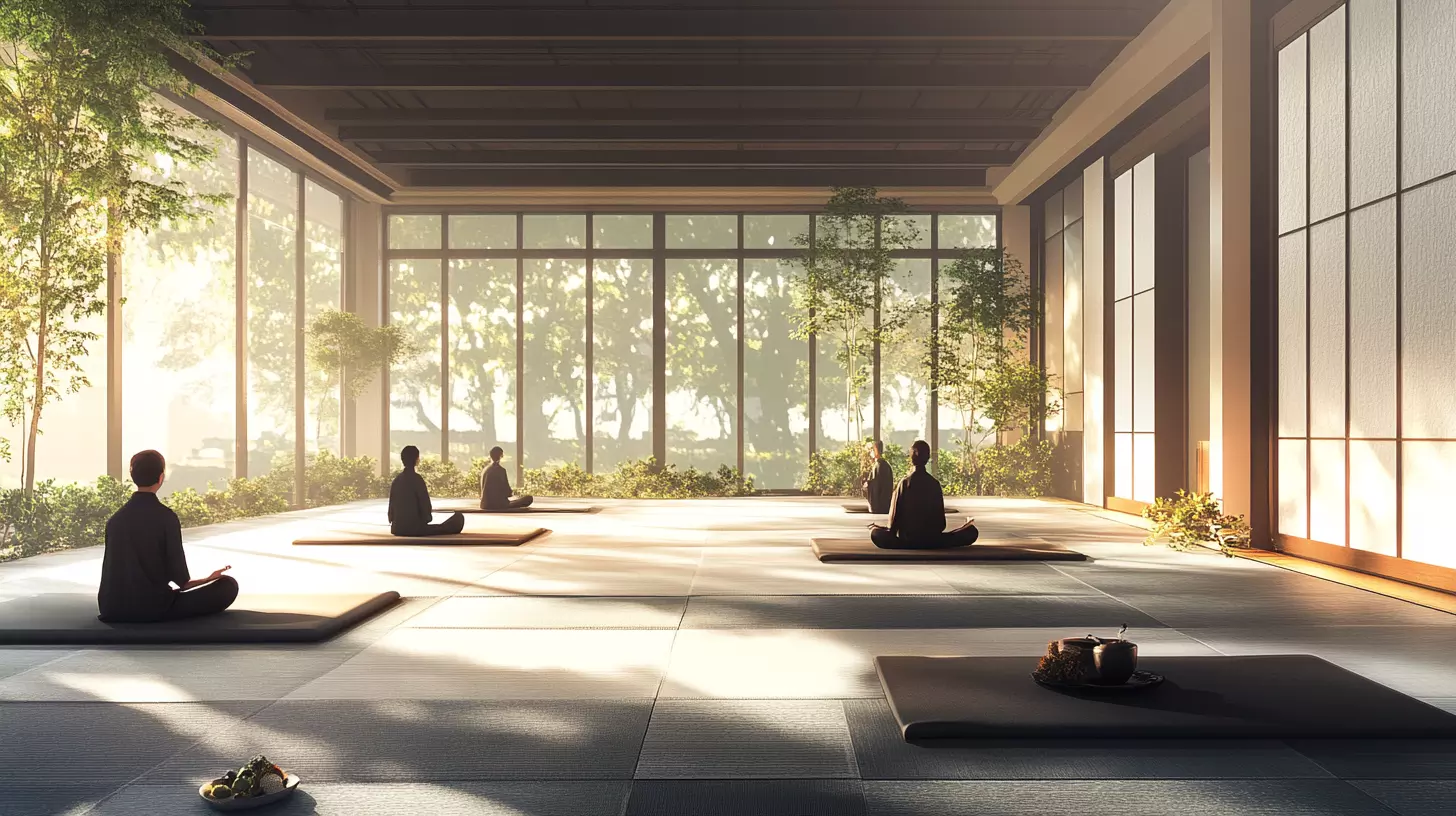
In today’s fast-paced and often challenging work environments, maintaining harmony, focus, and productivity can be difficult. The ancient martial art of Aikido offers guiding principles that, when applied, can enhance workplace dynamics, foster collaboration, and promote a stress-free atmosphere. By understanding and integrating Aikido principles such as non-resistance, self-awareness, and harmony, employees and leaders can transform their work culture for the better.
Understanding Aikido principles
The essence of Aikido
Aikido, a modern Japanese martial art developed by Morihei Ueshiba, emphasises a philosophy of peace and harmony rather than confrontation. Unlike most martial arts that focus on attack and defence, Aikido’s techniques involve blending with an opponent’s movements to control their force and redirect it safely. This approach fosters a state of balance that can be highly beneficial in non-combative environments, such as the workplace.
Key Aikido principles
Let’s explore some of the core principles of Aikido that can be applied in professional settings:
- Non-aggression: The idea is to avoid or redirect conflict rather than meet it with force.
- Centring: Staying physically and mentally centred makes you more effective and stable under pressure.
- Awareness: Remaining aware of your environment and those around you can prevent conflicts and improve relationships.
- Harmony: Seeking harmonious solutions to problems encourages cooperation over competition.
Non-resistance in the workplace
Adopting a non-confrontational approach
In the professional world, disagreements are inevitable. Aikido teaches us to avoid direct confrontation and instead focus on channeling the energy productively. By navigating conflicts with a calm and open mind, you can find solutions that benefit all parties involved. Emphasising communication and empathy leads to a non-resistant work culture where ideas can flourish without contentious debates.
Applying redirection techniques
In Aikido, one often redirects the opponent’s energy. In the workplace, this translates into guiding discussions and projects towards positive outcomes rather than pushing back against colleagues’ ideas or energy. For example, redirect a team member’s enthusiasm or concerns into areas where they can be most beneficial, thereby creating alignment and motivation.
Cultivating self-awareness through Aikido
Building personal insight
Self-awareness is crucial in managing both personal and professional challenges. Aikido workshops often include exercises that promote introspection and awareness of one’s body and mind, helping practitioners understand their responses to external stimuli. This heightened self-awareness can help professionals keep check of their emotions, ensuring rational and well-considered responses to workplace issues.
Enhancing emotional intelligence
Aikido also reinforces the development of emotional intelligence, the ability to recognise, understand, and manage our own and others’ emotions. Emotional intelligence supports better team collaborations and more nuanced leadership, which are vital for successful organisational health.
Creating workplace harmony
Fostering collaboration and teamwork
One of Aikido’s primary teachings is blending, where rather than opposing, you move with the force. The same principle can be applied to workplace relationships, encouraging collaboration over competition. Effective collaboration leads to shared success and fosters a culture of trust and respect that is resilient to external pressures.
Promoting a positive workplace environment
Aikido principles encourage practitioners to maintain a calm, balanced presence. By prioritizing a harmonious atmosphere, managers can minimise stress and anxiety among employees. Techniques like meditation and mindfulness, often practised alongside Aikido, can contribute to this, leading to greater job satisfaction and productivity.
Enhancing leadership skills with Aikido
Adapting leadership styles
Aikido encourages leaders to be adaptable and fluid, qualities essential in today’s ever-changing work environments. Leadership in Aikido is not about exerting control but guiding and nurturing the energy of others towards a shared vision. Leaders who display flexibility and understanding can effectively navigate teams through evolving circumstances.
Empowering others
Aikido teaches the value of supporting and empowering others. In a workplace setting, empowering team members involves recognising individual strengths and weaknesses and assigning responsibilities accordingly. Empowered employees are usually more motivated, creative, and committed to organisational goals.
Integrating Aikido, Yoga, and Meditation
Holistic practices for workplace wellness
The principles of Aikido can be complemented by the practices of Yoga and meditation, which offer additional benefits such as improved concentration, flexibility, and stress relief. By incorporating Yoga and meditation into workplace routines, employees can experience enhanced focus and reduced tension, leading to improved overall wellbeing.
Designing a mindful workplace program
Organisations might consider implementing workplace wellness programs that include Aikido, Yoga, and meditation sessions. Such programs can foster a well-rounded team culture centred on holistic health, mindfulness, and productivity. Providing outdoor or in-office spaces for practice encourages participation and fosters a culture of health and balance.
Summary
Utilising Aikido principles in the workplace can usher in a new era of corporate harmony and enhanced productivity. By embracing non-resistance, cultivating self-awareness, and promoting a harmonious work environment, employees and leaders can navigate modern challenges with grace and ingenuity. Coupling these principles with Yoga and meditation forms a formidable trifecta that promises improved employee wellbeing and organisational culture. As organisations continue to adapt, consider how these timeless teachings might be integrated into your work environment to foster a space where everyone thrives.
Frequently asked questions
How can Aikido improve my interpersonal skills at work?+
Aikido teaches principles of non-resistance and harmony, which are critical in improving communication, empathy, and conflict resolution skills. By learning to de-escalate tension and build collaboration, Aikido helps enhance interpersonal interactions.
Can I practice Aikido without a physical dojo?+
Yes, many Aikido principles can be practiced mentally and emotionally. Additionally, there are numerous online resources and virtual dojos that offer classes and teachings.
What other disciplines complement Aikido in the workplace?+
Yoga and meditation are excellent complements to Aikido, helping improve concentration, flexibility, and stress management. Together, they create a holistic approach to health and productivity.
How does Aikido help in stress management?+
Aikido promotes a state of centredness and calm, which can help manage stress more effectively. The practice encourages mindfulness and presence, mitigating anxiety and promoting rational problem-solving.
Is Aikido suitable for everyone?+
Aikido is a versatile martial art practised by people of various ages and fitness levels. Its non-combative nature makes it accessible for most individuals. However, it's always advisable to consult with a healthcare professional before starting any new physical activity.