
Handling anxiety with Aikido and meditation
World Aikido Yoga
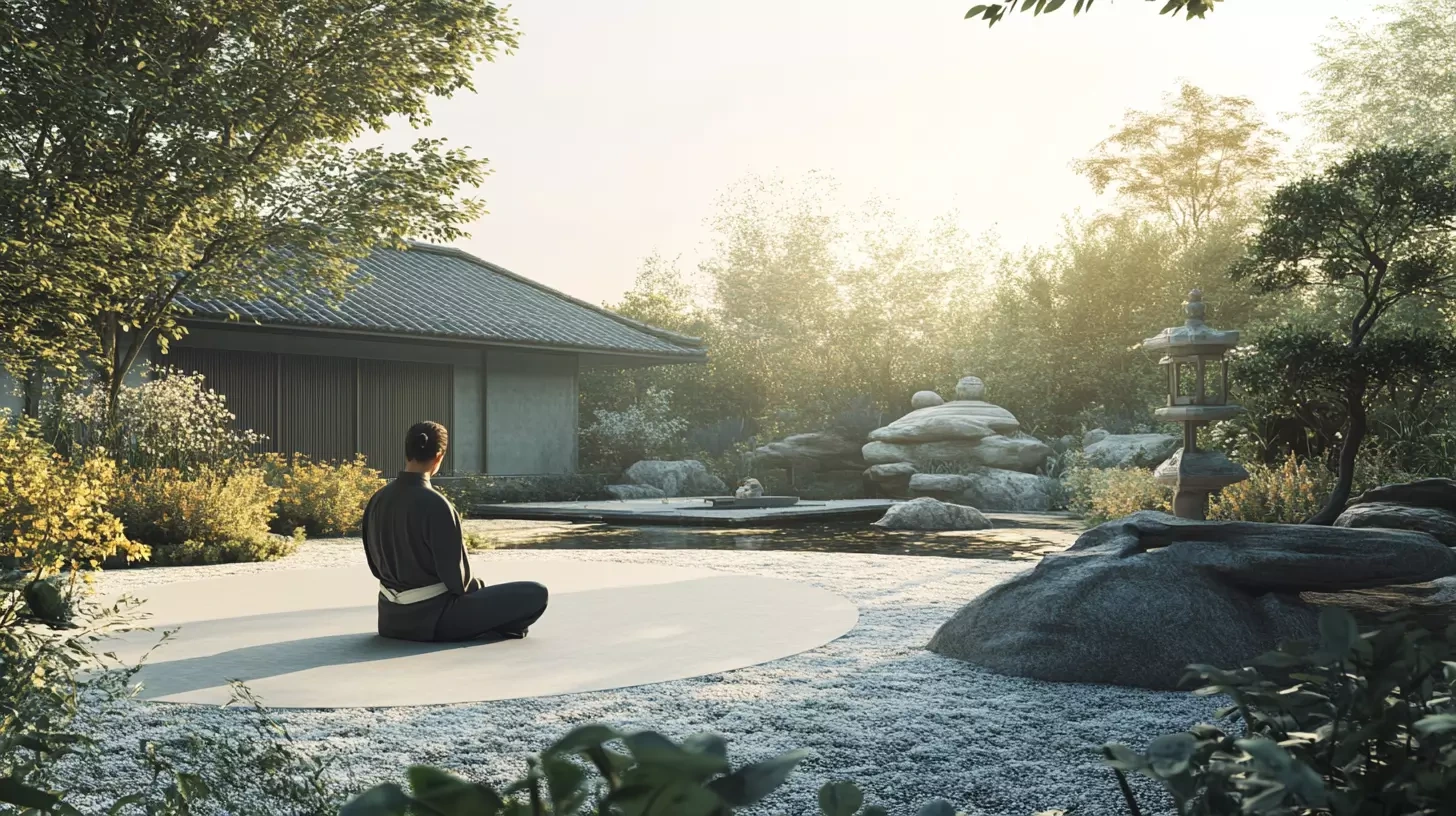
In today’s fast-paced world, anxiety seems to be a common companion for many. Whether it’s due to personal stress or global uncertainties, finding effective ways to manage this feeling is crucial for mental and physical well-being. Aikido and meditation offer unique paths to navigate anxiety, providing not just relief but also building resilience.
Understanding anxiety and its impact
Anxiety is a natural response to stress, but when it becomes a constant presence, it can significantly affect one’s life. It can manifest as persistent worry, fatigue, irritability, or even physical symptoms such as headaches or muscle tension. According to the World Health Organization, over 264 million people suffer from anxiety worldwide, making it a prevalent mental health concern.
The science behind anxiety
Anxiety triggers the body’s ‘fight or flight’ response, releasing stress hormones like adrenaline and cortisol. These hormones prepare the body to deal with perceived threats but, in excess, can lead to prolonged stress states, impacting health adversely.
Effects of chronic anxiety on the body
Chronic anxiety can contribute to a range of health issues, from cardiovascular disease to weakened immune function. It can also significantly reduce quality of life, affecting personal relationships and work performance.
The art of Aikido in reducing anxiety
Aikido, a Japanese martial art, focuses on harmony and balance. Unlike other martial arts, Aikido does not emphasise defeating an opponent. Instead, it teaches practitioners to blend with and redirect aggressive energy, turning potential conflicts into peaceful resolutions.
The philosophy of Aikido and its calming effects
At its core, Aikido promotes peace and self-control. Research shows that martial arts like Aikido can reduce stress and improve mood by focusing on inner peace and mindfulness. Training encourages present-moment awareness, helping practitioners stay grounded and calm.
Physical benefits of Aikido practice
Aikido improves physical health by enhancing flexibility, balance, and coordination. The practice involves low-impact yet effective aerobic movements that release tension from the body and increase endorphins, the body’s natural mood elevators.
Developing resilience through Aikido
By practising Aikido, individuals learn to handle physical and mental stress gracefully, effectively building resilience. The art teaches adaptability, patience, and the importance of staying calm even when chaos arises, useful skills in managing everyday anxiety.
Meditation: a mindful approach to anxiety
Meditation complements Aikido perfectly by offering a mental framework for handling anxiety. It’s a practice that trains the mind to focus and redirect thoughts, providing a space where stillness and reflection can be found.
The physiological effects of meditation
Meditation triggers the body’s relaxation response, counteracting the harmful effects of stress hormones. Studies have shown that regular meditation can lower blood pressure, reduce anxiety, and improve overall emotional health.
Mindfulness meditation for anxiety relief
Mindfulness meditation involves staying present and fully engaging with the current moment. This practice helps individuals step back from their thoughts, reducing overthinking and helping to alleviate anxiety symptoms.
Integrating meditation into daily routine
Even a few minutes of meditation daily can significantly impact anxiety levels. Techniques vary from guided sessions to movement-based meditations like Tai Chi or Yoga, but the goal remains the same—to cultivate inner peace.
Combining Aikido and meditation for optimal results
When combined, Aikido and meditation create a holistic approach to managing anxiety. They complement each other by balancing the physical with the mental, promoting a comprehensive path to well-being.
Creating a personal practice
To integrate both, start with a structured schedule. Dedicate specific times for Aikido training and meditation sessions, tailoring your practice to suit your personal needs and goals.
Benefits of a combined practice
Together, Aikido and meditation offer numerous benefits: enhanced mental clarity, increased resilience, improved physical health, and most importantly, a consistent reduction in anxiety and stress levels.
The role of environment in practice
Creating a conducive environment for both Aikido and meditation is essential for effective practice. Choose a calm, serene space—a sanctuary where you can focus without distractions.
Setting up a home practice routine
For those unable to attend dojo or meditation classes, setting up a home practice is a practical alternative. Allocate a designated area for practice, and use online resources and virtual classes to guide you.
Engaging with community and support
Connecting with fellow Aikido practitioners and meditators can provide motivation and enhance your journey. Sharing experiences and challenges can often offer new perspectives and encouragement.
Summary
Handling anxiety with Aikido and meditation offers an empowering and dynamic approach to emotional well-being. By blending the physical art of Aikido with the mental discipline of meditation, individuals can develop resilience, find peace, and effectively manage stress. Committing to this holistic practice can lead to profound personal growth and an improved quality of life. If you’re ready to embark on this journey, start by integrating these practices into your daily routine and discover the transformative power they can offer.
Frequently asked questions
How quickly can Aikido reduce anxiety symptoms?+
The reduction in anxiety symptoms can vary from person to person. Some may feel benefits after just a few sessions, while others might notice changes over several months of consistent practice.
Do I need prior experience to start Aikido?+
No prior experience is necessary. Aikido is designed for beginners and experienced martial artists alike, focusing on personal development at your own pace.
Can meditation be effective without Aikido?+
Yes, meditation alone can be highly effective in reducing anxiety. However, combining it with Aikido can enhance the benefits, providing both mental and physical stress relief.
How often should I practice meditation for anxiety?+
For significant benefits, aim to meditate daily. Start with 10-15 minutes and gradually increase as you become more comfortable and experienced.
What should I do if I experience increased anxiety during meditation?+
If meditation initially increases anxiety, consider beginning with guided sessions. These can provide structure and support, making the practice feel safer and more manageable.