
Aikido for busy lifestyles: integrating practice
World Aikido Yoga
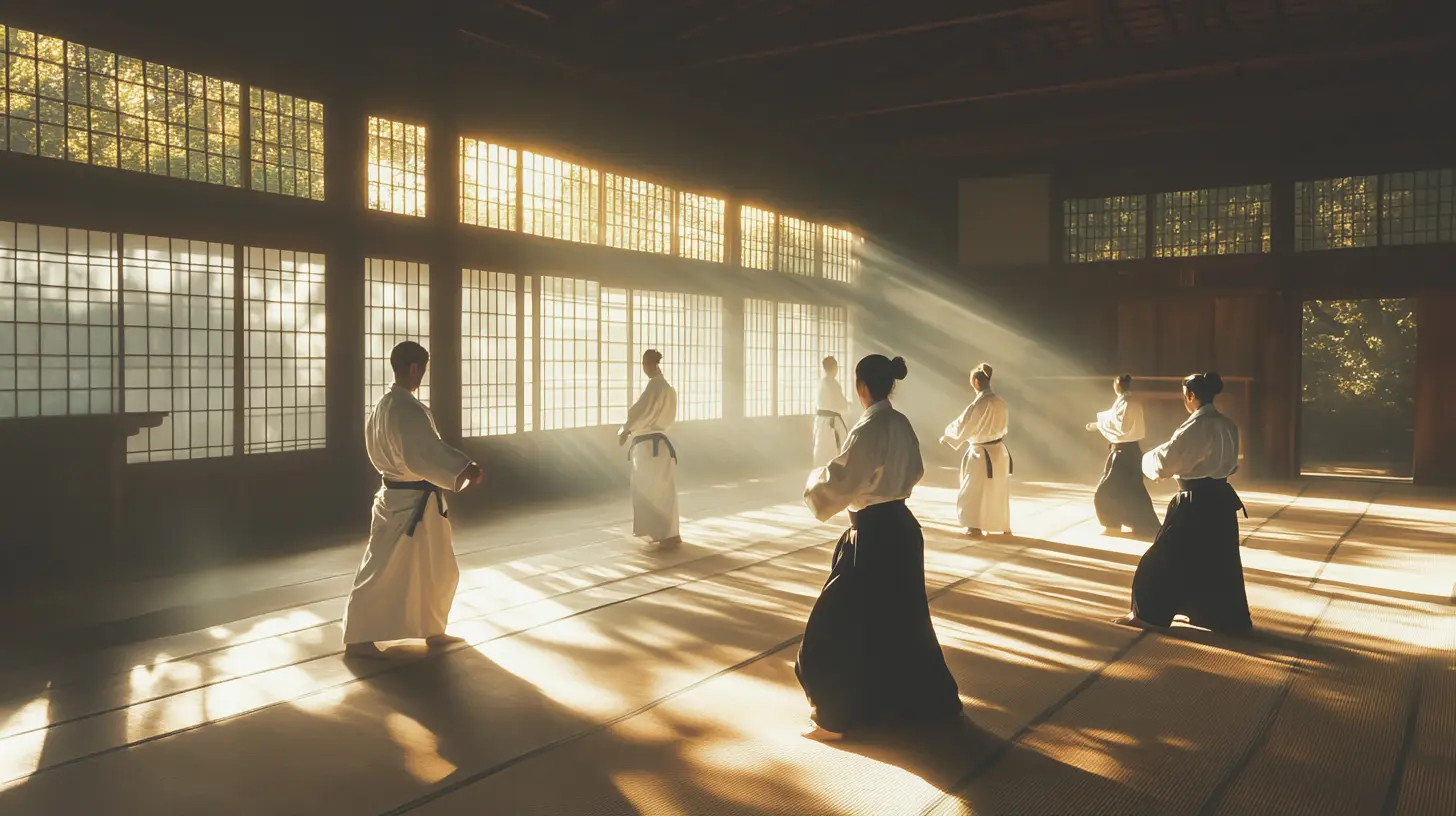
In today’s fast-paced world, juggling work, family, and personal commitments can often leave us feeling overwhelmed and stressed. As we strive to maintain a balanced lifestyle, we seek practices that not only fit into our schedules but also enhance our overall well-being. Enter Aikido — a martial art that offers physical fitness, mental clarity, and self-defence skills, all while promoting a harmonious way of living.
Understanding Aikido’s core principles
Aikido, often known as “the way of harmony,” is unlike many other martial arts. It focuses on redirecting an opponent’s energy rather than confronting it head-on. Founded by Morihei Ueshiba in the early 20th century, Aikido integrates physical movements with philosophical values, hence its appeal to individuals seeking a holistic way of self-defence.
The philosophy of non-violence
At its core, Aikido embodies the principle of non-violence. Practitioners seek to neutralise an attack by redirecting the energy rather than causing harm. This philosophy makes Aikido a preferred choice for those who wish to cultivate harmony in their lives, extending beyond the dojo.
Blending with universal energy
Aikido teaches the concept of “ki” or life force energy. Practitioners learn to harness and blend with this universal energy, promoting personal growth and spiritual well-being. This approach encourages mindfulness and enhances our ability to remain calm under pressure.
Promoting physical and mental balance
The practice of Aikido integrates physical fitness elements such as strength, flexibility, and coordination, which are crucial for a healthy body. Simultaneously, the mental discipline required helps sharpen focus and improve concentration, making it easier to manage stress.
Integrating Aikido into a hectic schedule
For many, the most significant challenge is finding time to incorporate new activities into an already packed schedule. However, Aikido can be designed to fit seamlessly into your routine.
Flexible class schedules
Most Aikido dojos, like Aikido Bayside, offer a variety of class times, including early morning, lunch breaks, and evening sessions, promoting flexibility for all kinds of schedules. Knowing that classes are available at different times can help ensure regular practice in a busy life.
Starting with short sessions
Beginners can start with shorter sessions that fit around their existing commitments. Even a few hours per week can result in noticeable benefits, such as increased energy and improved stress management.
Home practice possibilities
In addition to dojo classes, Aikido techniques can be practised at home, allowing for spontaneous practice when time permits. Simple exercises such as breathing techniques and basic movements can be done in small spaces, making practice accessible at almost any time.
Aikido as a form of stress relief
Stress management is crucial for maintaining good health, and Aikido offers several benefits to help alleviate stress.
Meditative aspects of Aikido
Many Aikido practitioners incorporate meditation into their training. This practice helps calm the mind, enhances focus, and instils a profound sense of peace and well-being. Meditation can be practised anywhere and requires only a few minutes each day to enjoy the benefits.
Mindful movements and breathing
Aikido emphasises mindfulness in its movements and breathing patterns, encouraging practitioners to be present in the moment. This state of mindfulness allows practitioners to release stress and anxiety effectively, promoting overall mental health.
Improving resilience and adaptability
Through regular practice, Aikido students develop increased resilience and adaptability, both physically and mentally. These traits prove invaluable as they navigate the highs and lows of a busy lifestyle, better equipped to handle challenges and changes calmly.
The connection between Aikido, yoga, and meditation
Aikido shares common ground with yoga and meditation, making them complementary practices that can enhance overall well-being.
Enhancing body awareness
Both yoga and Aikido focus on cultivating a strong connection between the body and mind. Partaking in both enhances body awareness, allowing practitioners to experience an increased sense of alignment and harmony in their lives.
Fostering mental clarity
Similar to meditation, Aikido promotes mental clarity and focus. By practising the three together, individuals can cultivate a greater sense of mindfulness, leading to improved decision-making and emotional resilience.
Strengthening the spirit
While yoga, meditation, and Aikido each have unique approaches to strengthening the spirit, they are united in their pursuit of a purposeful and harmonious life. Practising all three can provide powerful tools for self-discovery and personal growth.
Finding the right dojo for you
Choosing the right environment is crucial for making the practice of Aikido an integral and enjoyable part of your life.
Location and accessibility
For busy individuals, the dojo’s location should be convenient and accessible. Consider proximate dojos or those along your regular commute, making it easier to maintain regular attendance.
Community and atmosphere
A welcoming, supportive atmosphere is vital for an enriching Aikido experience. Visit various dojos and assess the community vibe, ensuring you find a setting where you feel comfortable and motivated.
Instructor compatibility
Your instructor can greatly influence your experience, so seek someone with whom you feel connected. An experienced instructor who is approachable, patient, and knowledgeable will help you stay on track and achieve your goals.
Trial classes
Many dojos offer trial classes, allowing you to sample their teaching style and community before committing. This step is essential in ensuring Aikido suits your lifestyle and preferences.
Summary
For those with busy lifestyles, integrating Aikido into one’s routine offers a multitude of benefits, from improved physical fitness to enhanced mental clarity and stress management. By understanding its core principles and finding the right dojo and schedule, Aikido can become a rewarding and enriching practice that complements the demands of modern life. Plus, when combined with yoga and meditation, its effects are amplified, promoting a more harmonious and balanced way of living.
Frequently asked questions
How often should you practise Aikido?+
For beginners, 2-3 classes per week is a good starting point. As you become more committed and skilled, increasing frequency can lead to greater benefits.
Is Aikido suitable for all fitness levels?+
Yes, Aikido is versatile and can be adapted to accommodate various fitness levels, ages, and abilities. Consult your instructor for modifications.
Can Aikido help with weight loss?+
While Aikido is more focused on harmony and self-defence, practising it regularly aids overall fitness, flexibility, and coordination, which may contribute to weight management.
Is Aikido effective for self-defence?+
Yes, Aikido is an effective form of self-defence. It teaches skills to neutralise and redirect attacks, enhancing your ability to defend yourself.
Will I need any special equipment to start Aikido?+
Beginners require minimal equipment, typically a gi (training uniform). Initially, many dojos provide rental uniforms or sell them at affordable prices.