
Harnessing inner peace through Aikido practice
World Aikido Yoga
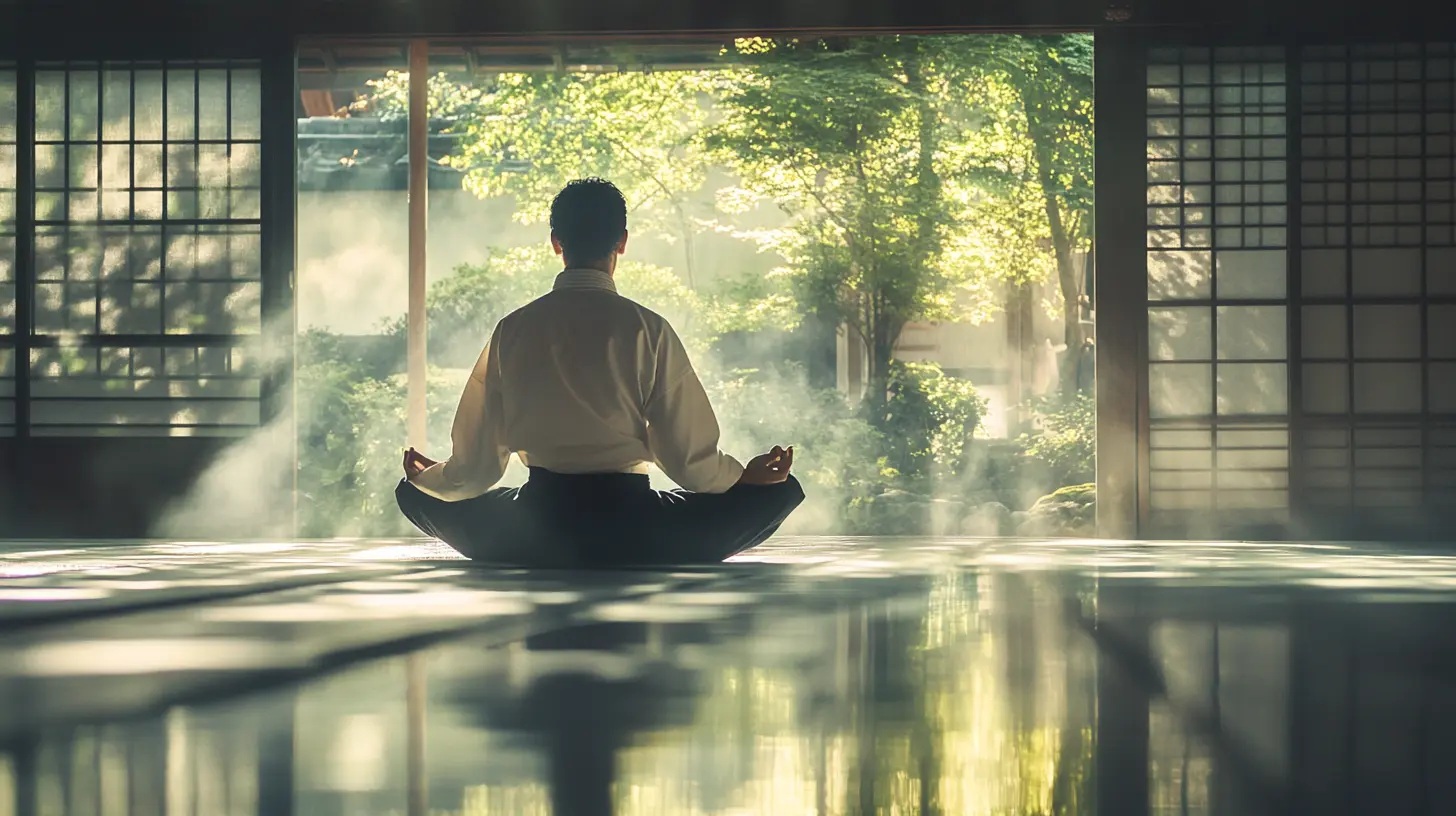
In today’s fast-paced world, the importance of maintaining inner peace cannot be overstated. Between the demands of work, relationships, and personal goals, it’s easy to lose sight of what truly matters—our mental and emotional wellbeing. It’s at this point that practices like Aikido can play a crucial role. Known as ‘the way of harmonious spirit’, Aikido not only offers a compelling physical discipline but also a pathway to inner peace. In this article, we will explore how Aikido practice can help individuals harness inner peace through its philosophies, physical techniques, and the unique synergy with yoga and meditation.
The philosophy of Aikido: Harmony and peace
Aikido is a Japanese martial art founded by Morihei Ueshiba in the early 20th century. Unlike other martial arts that focus on competition, Aikido’s primary focus is self-improvement and achieving peace through harmony, which is also reflected in its techniques.
Morihei Ueshiba’s vision
Ueshiba, known as Ôsensei or ‘great teacher’, envisioned a martial art where the practitioner could defend themselves while also protecting the attacker from injury. This reflects a unique approach focused on harmony rather than conflict. He believed that true strength lies in the ability to control an opponent’s aggression and transform it into a peaceful resolution. Through this philosophy, Aikido teaches us to deflect and neutralise aggression, which can be applied both on the mat and in everyday life.
The principle of non-resistance
Central to Aikido is the principle of non-resistance. Instead of meeting force with force, practitioners integrate with the movement of the attacker, redirecting their energy to bring both themselves and their opponent into a harmonious balance. This principle encourages adaptability, openness, and a peaceful approach to conflict resolution.
The importance of mindfulness
Aikido emphasizes mindfulness—a heightened state of awareness and presence in the moment. This mindfulness is crucial for mastering techniques and forms the basis for executing movements with grace and efficiency. Practising mindfulness in Aikido can improve concentration and emotional regulation, both of which are essential for cultivating inner peace.
Aikido techniques for inner calm
Engaging in Aikido practice involves physical, mental, and emotional training that contributes to inner calm and self-awareness.
Physical movements and their benefits
Aikido techniques comprise flowing, circular motions that require balance, coordination, and precise timing. These movements help to release tension and stress while promoting relaxation and flexibility. By practising the techniques regularly, practitioners can achieve a sense of stillness and calm.
Learning to breathe consciously
Breathing is a fundamental aspect of Aikido training. Practitioners are taught to synchronise their breaths with their movements, which enhances energy flow and concentration. Controlled breathing activates the parasympathetic nervous system, which reduces stress, lowers heart rate, and promotes relaxation, acting as a direct pathway to achieving a tranquil mind.
Cultivating patience and resilience
Mastering Aikido techniques can be challenging, requiring patience and persistence. As practitioners engage in regular training, they inevitably develop resilience and the ability to remain calm under pressure. This resilience is transferable to life’s challenges, fostering inner peace and emotional strength.
Integrating Aikido with yoga and meditation
At Aikido Bayside, we encourage our practitioners to integrate Aikido with yoga and meditation programs, offering a holistic approach to inner peace and wellbeing.
Yoga as a complementary practice
Yoga and Aikido share similar principles, such as balance, alignment, and mindful awareness. Yoga enhances the flexibility, core strength, and clarity needed for Aikido, and vice versa. Practising both disciplines together fosters a deeper connection between body and mind, facilitating a more profound state of peace.
The power of meditation
Meditation involves quieting the mind, focusing inward, and achieving a state of heightened awareness. When combined with Aikido, meditation can enhance the capacity to stay present, maintain composure, and improve decision-making during training. Regular meditation complements Aikido by shaping a calmer, more peaceful state of being.
Building a routine for balance
We recommend establishing a routine that combines moments for Aikido, yoga, and meditation. This holistic schedule can cultivate a balanced lifestyle, reinforcing the principles of harmony and serenity that these practices embody. Practising daily can create a rhythm that integrates seamlessly into life, ensuring sustained peace.
Scientific evidence and the benefits of Aikido
Modern research supports the benefits of practices similar to Aikido, focusing on their effects on mental health, stress reduction, and wellbeing.
Improving mental health
According to studies, the physical activity associated with martial arts like Aikido can increase the release of neurotransmitters like serotonin and endorphins, which elevate mood and reduce anxiety. This study highlights AIKIDO’s positive influence on mental health.
Reducing stress levels
Aikido practice has been shown to decrease cortisol levels, the hormone related to stress. Regular practice leads to reduced stress and a stronger sense of wellbeing. This reduction in stress levels can also result in improved sleep, greater energy, and a more positive outlook on life.
Promoting overall wellbeing
The compound effect of practising Aikido alongside mindfulness exercises like meditation contributes to better emotional regulation, clearer thinking, and enhanced self-awareness. These benefits collectively result in increased overall wellbeing and happiness.
Getting started with Aikido
For those beginning their journey into Aikido, there are a few steps to ensure a positive and fulfilling experience.
Choosing the right dojo
Selecting a dojo involves considering the atmosphere, teaching style, and community. At Aikido Bayside, our warm and supportive environment centres on personal growth, health, and wellbeing, suitable for all aspirants regardless of skill level.
Embracing a beginner’s mindset
Approach each session with humility and openness. Aikido encourages continuous learning, and beginners should focus on gradually absorbing the principles and techniques.
Building consistent practice
Consistency is key to reaping the full benefits of Aikido. Regular practice not only improves skills and fitness but also enhances mental fortitude, ensuring a stable and peaceful mind.
Summary
Harnessing inner peace through the practice of Aikido is a journey of self-discovery and growth. By embracing its principles of harmony, non-resistance, and mindfulness, practitioners cultivate a centered and serene mindset. When combined with complementary practices like yoga and meditation, Aikido offers a comprehensive approach to attaining inner peace. At Aikido Bayside, we are dedicated to guiding individuals on their path to peace and self-improvement through the transformative power of Aikido. Join us in our dojo and experience the path to harmony and wellbeing for yourself.
Frequently asked questions
Is Aikido effective for self-defence?+
Yes, Aikido is effective for self-defence as it teaches practitioners to defuse aggression without causing harm. It enhances physical and mental readiness, enabling effective defence in real-life situations.
How does Aikido differ from other martial arts?+
Aikido's emphasis on harmony and non-resistance differentiates it from competitive martial arts. It focuses on peaceful conflict resolution and personal growth rather than winning fights.
Who can practice Aikido?+
Aikido is inclusive and accessible to individuals of all ages and fitness levels. Its adaptable techniques make it suitable for anyone seeking self-improvement and inner peace.
Can Aikido help with mental health challenges?+
Yes, Aikido can significantly aid mental health by reducing stress, anxiety, and improving mood. Regular practice encourages mindfulness and positive emotional regulation.
Do I need any prior experience to start Aikido?+
No prior experience is necessary to begin Aikido. Beginners are welcomed and supported at Aikido Bayside, allowing them to learn and grow at their own pace.