
Aikido and the art of conflict resolution
World Aikido Yoga
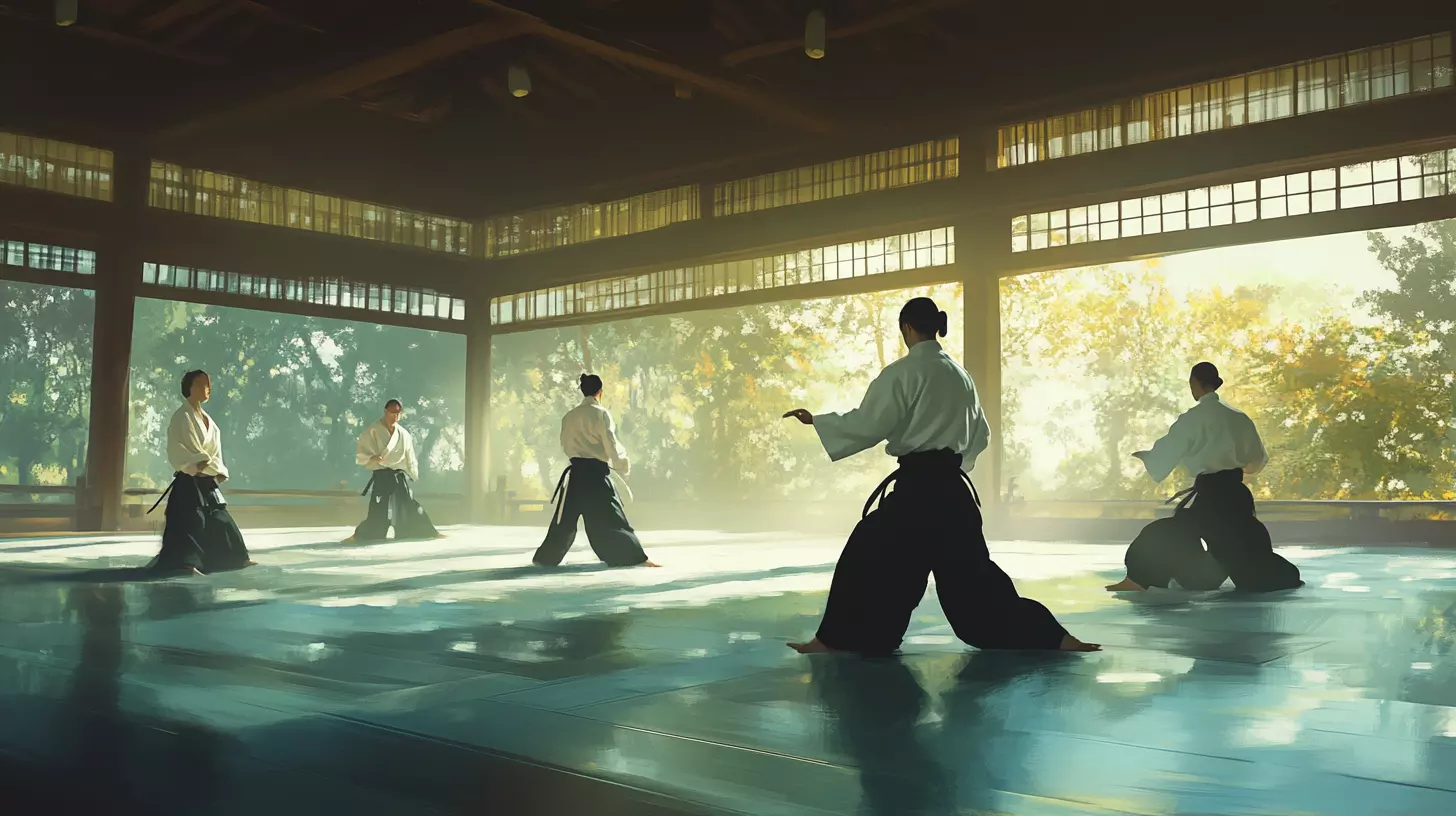
In the heart of Aikido lies a philosophy that transcends physical combat to embrace a profound understanding of conflict resolution. The art of Aikido can be aptly described as the harmonisation of energy and the pursuit of peace amidst conflict. At its core, Aikido embodies principles that align with non-aggression, empathy, and balance—all crucial aspects that contribute to resolving conflicts effectively.
Understanding Aikido: A harmonious martial art
The philosophy of Aikido
Aikido, a Japanese martial art, was developed in the early 20th century by Morihei Ueshiba, known to practitioners as O-Sensei. This unique martial art is deeply rooted in the philosophy of pacifism and harmony. Unlike other martial arts that often focus on defeating the opponent, Aikido emphasises the redirection of an attacker’s energy, thereby avoiding confrontation and injury. By embracing principles like non-resistance and flexibility, Aikido offers an approach that resonates with peaceful conflict resolution.
Techniques promoting non-aggression
Central to Aikido are techniques that prioritise blending with an opponent’s movements. Techniques such as ‘Ikkyo’, ‘Nikkyo’, and ‘Irimi’ illustrate the art of moving seamlessly with an attack, symbolising the transition from conflict to cooperation. This metaphorically teaches practitioners to embrace and assimilate challenges in life rather than resist them.
The role of ‘ki’ in Aikido
In Aikido, the concept of ‘ki’ or life force is paramount. Aikidoka (Aikido practitioners) learn to harness their ki to build inner strength and awareness, facilitating calm and clear-headed responses to conflicts. This energy is not used to overpower others but to harmonise and diffuse tensions. Harnessing ki encourages individuals to remain centred, offering insights beyond the physical manifestation of Aikido into psychological conflict resolution.
Aikido principles in conflict resolution
Achieving unity and balance
At the heart of Aikido’s effectiveness in conflict resolution is the ability to achieve unity and balance. Conflicts often arise when energies meet opposition or misunderstanding creates discord. Aikido teaches us to channel energies harmoniously, fostering understanding instead of animosity. By observing an opponent’s energy and intentions, we can respond empathetically and constructively, minimising resistance and potential escalation.
Embracing empathy and understanding
An effective conflict resolution strategy involves stepping into the shoes of others—understanding their perspective and motivation. Aikido encourages practitioners to develop empathy by feeling the connection with one’s opponent and acknowledging their presence and humanity. This deeper level of understanding aids in pinpointing the roots of a conflict, finding solutions that satisfy all parties involved.
Letting go of ego
The practice of Aikido inherently discourages ego-driven behaviour. In conflict scenarios, the dominance of ego often exacerbates tension and complicates resolution. Through regular practice, Aikidoka learn to cultivate humility and patience, detaching themselves from the need to assert dominance. This letting go of ego paves the way for more open, honest communication and effective negotiation strategies.
Scientific perspective on conflict resolution
The psychology of conflict
Conflict often stems from perceived threats or unmet needs. According to the American Psychological Association, ego defensiveness can distort perceptions, amplifying conflict situations. Psychological studies assert that methods promoting empathy and cooperation can substantially reduce perceived threats, paving the way for reconciliation.
The physiological aspect of aggression
Scientific findings have demonstrated that engaging in calming practices like meditation and martial arts can reduce levels of the stress hormone cortisol. Lower cortisol levels associate with reduced anxiety and aggression, promoting a more composed and level-headed approach to conflict resolution.
Incorporating Aikido in daily life
Techniques for everyday challenges
The principles of Aikido are not limited to the dojo. Individuals can incorporate techniques such as deep breathing, grounding exercises, and mindful observation into daily life to navigate everyday challenges. Practising attentiveness to one’s environment and relationships fosters a peaceful, balanced mindset.
Aikido-inspired communication
Effective communication is often the key to resolving interpersonal conflicts. Aikido-inspired communication involves actively listening, acknowledging emotions, and responding without judgement. This approach leads to open dialogues where all parties feel heard and understood.
Mindful conflict engagement
Encouraging individuals to engage with conflicts mindfully and constructively can lead to positive outcomes. Rather than reacting with impulsive aggression, adopting the patient and thoughtful strategies taught in Aikido facilitates better decision-making and empathetic interactions.
Summary
In a world often characterised by discord and confrontation, Aikido presents an enlightened approach to conflict resolution. By embracing harmony, empathy, and the redirection of energies, Aikido offers timeless lessons relevant across physical and psychological landscapes. It cultivates a mindset of peace and cooperation, transforming potential conflicts into opportunities for growth and understanding. At Aikido Bayside, we invite everyone to explore the art of Aikido and discover its powerful techniques for achieving balance and harmony in life.
Frequently asked questions
What is the core principle of Aikido?+
The core principle of Aikido is to resolve conflict harmoniously by redirecting the opponent's energy rather than meeting it with force.
How does Aikido differ from other martial arts?+
Unlike martial arts that focus on defeating opponents, Aikido prioritises non-aggression and blending with an attacker's movements to prevent harm.
Can Aikido be effective in non-physical conflict situations?+
Yes, Aikido principles—such as empathy, balance, and non-resistance—are exceptionally effective in resolving non-physical conflicts through a peaceful mindset.
Is Aikido suitable for all age groups?+
Aikido is suitable for all age groups and can be practised by individuals of varying fitness levels, making it an inclusive martial art with universal appeal.
How can Aikido help in personal development?+
Aikido enhances personal development by promoting self-awareness, empathy, patience, and discipline, contributing to emotional and psychological well-being.